

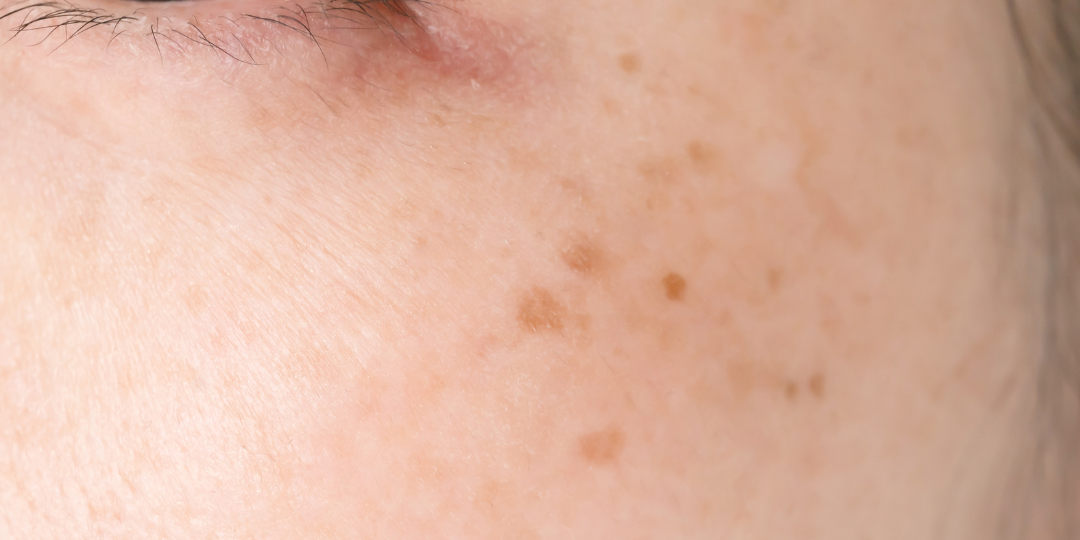
After a long summer of sunshine, your skin may be showing signs of dark patches or uneven pigmentation that seem to linger long after your holiday glow fades. While summer is a wonderful time for outdoor living, increased exposure to UV rays and heat often triggers excess melanin production, leaving behind signs of sun damage, hormonal shifts, and inflammation.
As we move into Autumn, it’s the ideal time to shift your focus toward repair and prevention. The cooler months give your skin a much-needed break from harsh sun exposure, making this the perfect window to start correcting uneven pigmentation. If you’ve noticed dark patches, uneven tone, or dullness since the end of summer, addressing it now can help restore clarity, balance, and luminosity to your complexion before winter sets in.
Let’s explore the types of pigmentation, the importance of melanin-inhibiting ingredients, the clinic-based treatments that can accelerate results, and why consistency is key to transforming your skin.
Understanding the different types of pigmentation
Not all pigmentation is created equal, and understanding the underlying cause is essential for choosing the most effective treatment.
One of the most common types is post-inflammatory hyperpigmentation (PIH), flat, dark patches that appear after skin trauma, such as acne, bites, or eczema flare-ups. These are more common in deeper skin tones and can be stubborn to treat without a targeted approach.
Melasma is another widespread form of pigmentation, usually linked to hormonal changes. It often appears as symmetrical patches on the cheeks, forehead, or upper lip and is exacerbated by heat and UV exposure. It’s notoriously difficult to manage, but with the right regime, it can be significantly improved.
Sunspots, or solar lentigines, are caused by cumulative sun exposure and tend to appear as dark patches or marks on areas most exposed to sunlight—like the face, neck, décolleté and hands. While often harmless, they can contribute to a prematurely aged appearance and make the skin look dull or uneven.
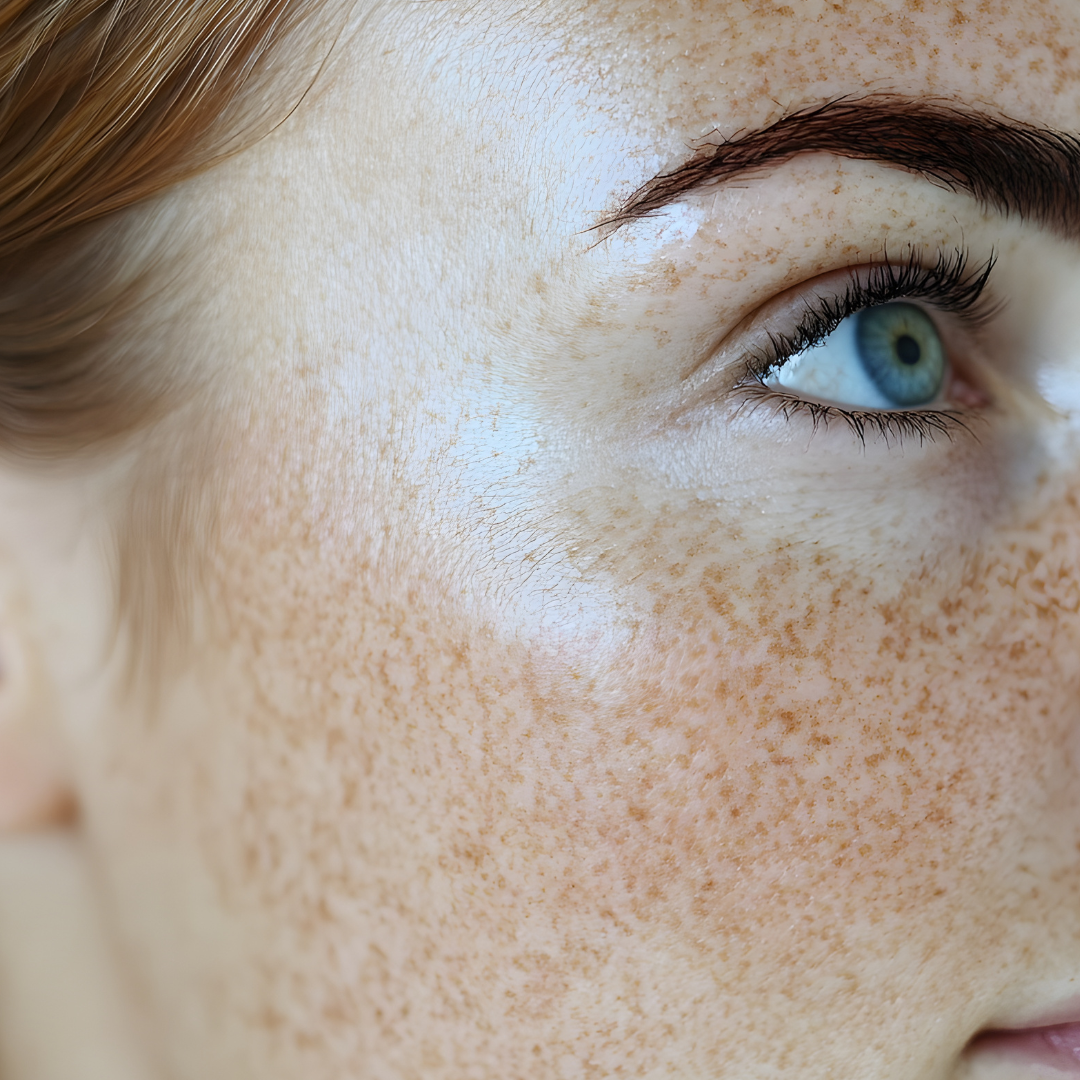
Then there are freckles, which are largely genetic but can darken and multiply in response to sun exposure. While freckles themselves are harmless and not considered a disorder, many clients still wish to reduce their appearance for a more even tone.
Each of these types of pigmentation requires a slightly different approach, which is why a professional diagnosis is always recommended before starting treatment.

Why melanin-inhibiting ingredients are so important

Pigmentation is essentially the result of overactive melanocytes, the cells responsible for producing melanin (pigment) in the skin. When these cells are triggered by sun exposure, heat, hormonal changes or inflammation, they produce melanin in excess, resulting in visible discolouration and dark patches.
To effectively treat pigmentation, you need to do more than exfoliate or brighten the skin’s surface; you need to regulate melanin production at a cellular level. This is where melanin-inhibiting ingredients come in.
Skincare formulations that contain ingredients such as (but not limited to) niacinamide, vitamin C, cysteamine, kojic acid, azelaic acid, arbutin, tranexamic acid, and liquorice root extract help interrupt melanin synthesis, calming the skin and preventing new pigment from forming. Retinoids are also a gold standard in treating pigmentation, as they accelerate cell turnover and help fade existing marks.
These ingredients don’t just target pigmentation and dark patches directly; they also help to strengthen the skin barrier, reduce inflammation, and create a more resilient, even complexion over time.
However, consistency is crucial. Pigmentation doesn’t clear overnight, and results depend heavily on using the correct ingredients twice daily, alongside strict sun protection.
Clinic-based treatments to support your results
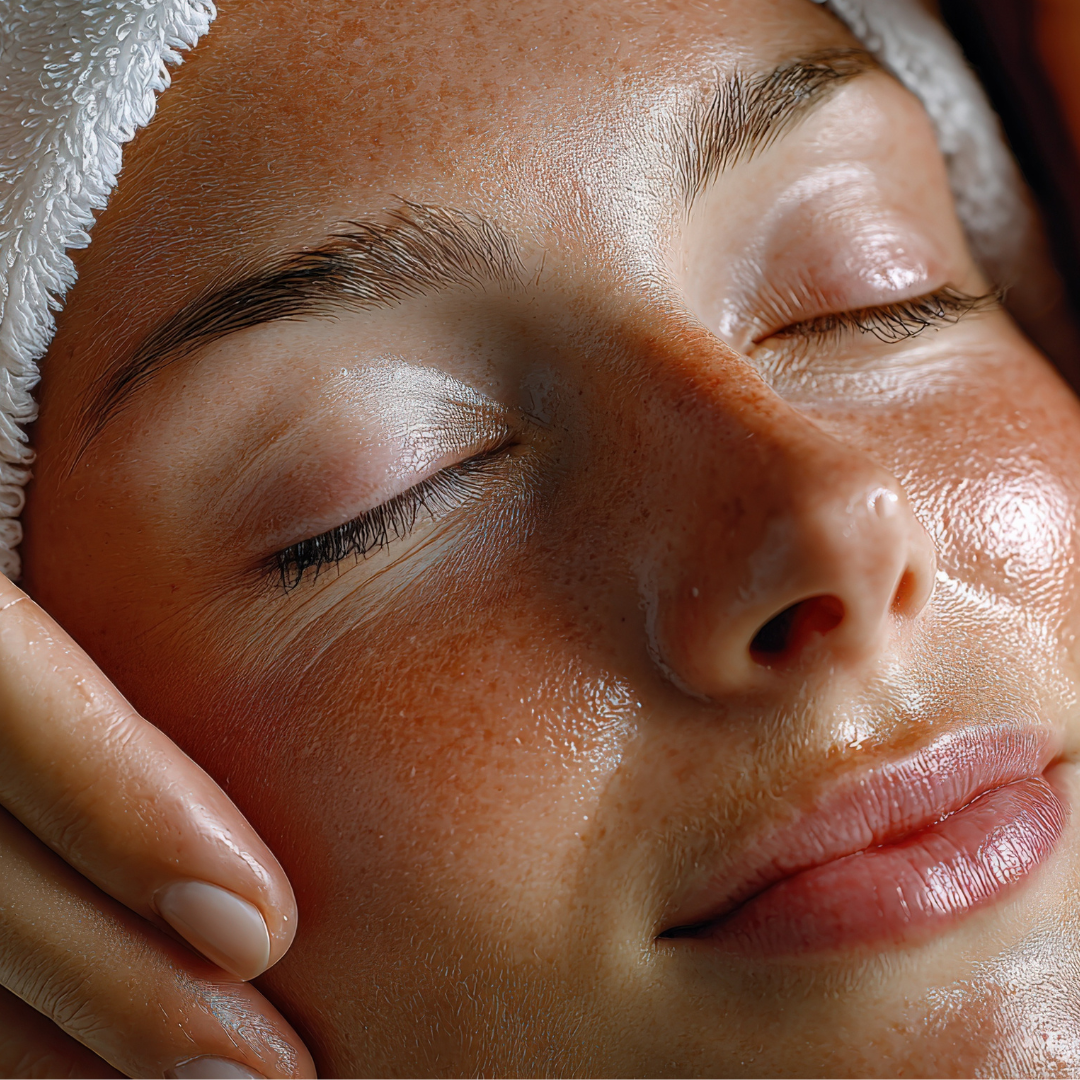
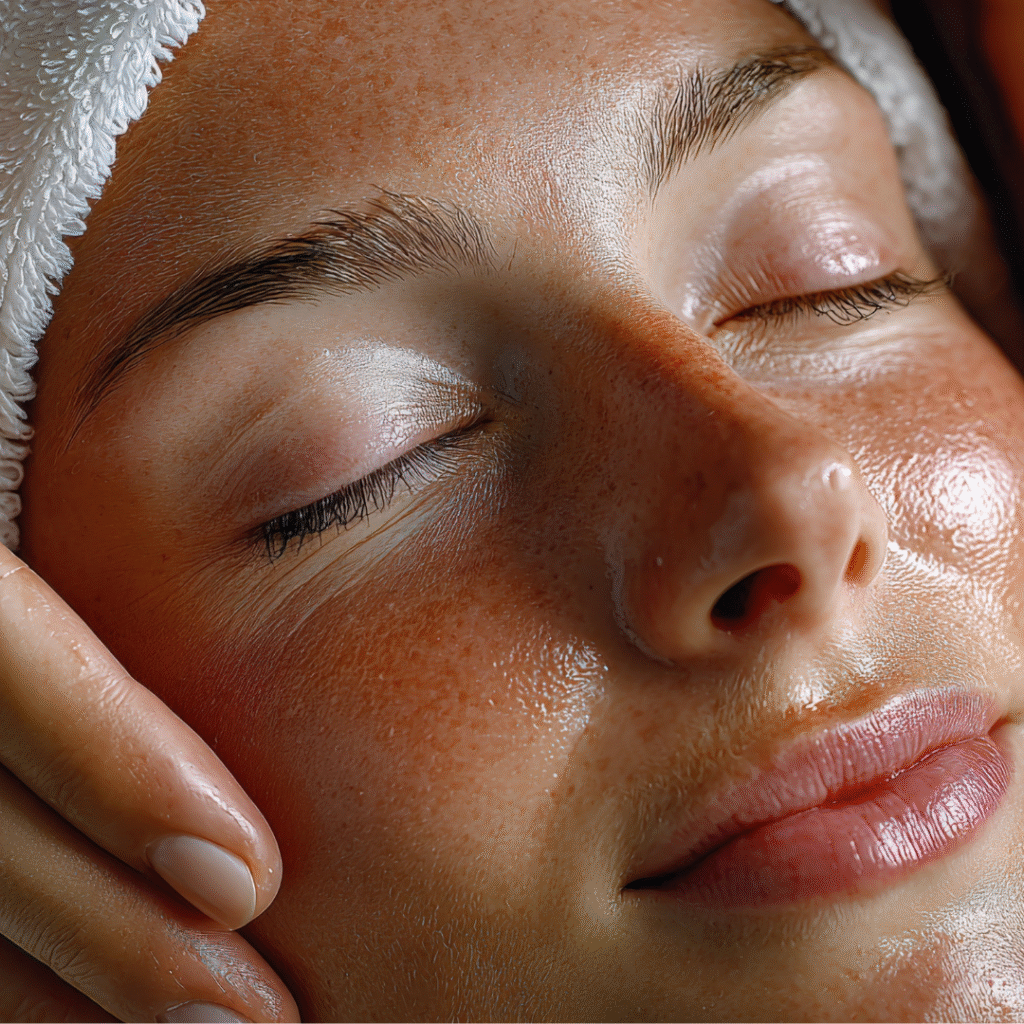
For many clients, combining professional treatments with an at-home skincare routine delivers the most impactful and long-lasting results.
At my clinic, I offer a variety of targeted options designed to address pigmentation at multiple levels:
Cosmelan For clients with severe or stubborn pigmentation and dark patches, particularly melasma, sun damage, and post-inflammatory marks, Cosmelan offers one of the most intensive, clinically proven depigmentation protocols available. What makes Cosmelan stand out is its ability to treat all skin types safely and effectively, including deeper skin tones, which are often more reactive to traditional pigmentation treatments.
DMK Enzyme Therapy works with the skin’s own biological processes to improve circulation, oxygenation, and lymphatic drainage. It helps remove stagnant pigment, detoxify the skin, and encourage better functioning of melanocytes. Enzymes also support overall skin health, making them a valuable tool in any pigmentation protocol.
Chemical Peels are another effective option, especially for those dealing with sunspots or post-inflammatory marks. These treatments use carefully selected acids to exfoliate the upper layers of the skin, stimulate cell renewal, and gradually break down surface pigmentation. Depending on your skin type and concerns, I’ll choose the most suitable peel formulation to avoid irritation and promote healing.
Microneedling, Mesotherapy and Skin Boosters can also play an important role in a pigmentation-focused plan. These treatments support the regeneration of new, healthy skin cells while increasing the delivery of pigment-regulating ingredients deeper into the skin. They’re especially beneficial for improving overall tone, reducing dark patches, and enhancing skin texture and quality.
Each treatment plan is bespoke and tailored to your skin’s needs at the time of your visit. I often combine treatments in a progressive, layered approach to achieve visible and lasting results.
Patience, consistency and protection
If there’s one truth about pigmentation, it’s this: there is no quick fix. It takes time, consistency, and a comprehensive strategy that includes both a dedicated skincare routine and professional support.
You might not see dramatic changes after one treatment or even one month of skincare, but with ongoing dedication, dark patches will begin to brighten, even out, and look more balanced.
One non-negotiable is sun protection; it must be applied 365 days a year. UV exposure is the number one trigger for melanin production, and skipping SPF will only delay or reverse your progress. I always recommend a broad-spectrum SPF, preferably with added antioxidants and pigment-suppressing ingredients.
September marks a new season, making it the ideal time to prioritise your skin. Whether your pigmentation is mild or persistent, I’m here to guide you through a safe, science-backed plan to restore clarity and confidence in your skin.
Book your consultation today, and let’s create a treatment journey explicitly tailored to your skin type, pigmentation pattern, and lifestyle.