
Your Skin Doesn’t Know It’s Summer, So Why Do So Many People Change Their Skincare Routine?
As soon as summer arrives many of us consider our summer skincare routine, social media becomes flooded with advice about changing your skincare routine. Suddenly, we’re told to stop using retinol, avoid exfoliating acids and put vitamin A away until autumn. Some even suggest replacing your entire routine with gentler products until the weather cools down.
The skincare industry has become obsessed with telling us what to stop using. I’d much rather focus on what your skin actually needs.
The problem is that much of this advice oversimplifies how the skin actually works.

Your skin has absolutely no idea what month it is.
Your skin doesn’t wake up on the 1st of any month and suddenly start behaving differently. It doesn’t know whether it’s summer or winter. Instead, your skin responds to the environment it’s exposed to. During the summer months, that environment changes due to increased ultraviolet (UV) exposure, warmer temperatures, higher humidity, perspiration, air conditioning, and more time spent outdoors. These factors influence how your skin behaves, but they don’t change the way your skin functions.
The skin is your body’s largest organ and is incredibly intelligent. Every second of every day, it is repairing damage, producing new skin cells, maintaining its protective barrier, regulating moisture levels and defending itself against environmental stress. None of these processes stops because the calendar says it’s Summer. In fact, many of them have to work even harder during the summer because the skin is exposed to greater levels of UV radiation and environmental damage.
So, before you decide to overhaul your skincare routine simply because it’s summer, let’s take a look at what’s really happening beneath the surface.

Your Skin Goals Don’t Change With the Seasons
Whether you’re trying to improve fine lines and wrinkles, reduce pigmentation, manage acne, calm rosacea or strengthen your skin barrier, those goals don’t suddenly disappear in the summer.
Collagen doesn’t stop breaking down because the weather is warmer. Pigmentation doesn’t stop developing because it’s August. Acne-prone skin doesn’t decide to take a summer holiday. Your skin still needs support, consistency and protection if you want to continue seeing results.
One of the biggest mistakes I see is people stopping products that have been working beautifully for them simply because they’ve read online that they “shouldn’t be used in summer.” Unfortunately, this can interrupt months of progress.
Instead of asking yourself:
“What products should I stop using?”
A far better question is:
“How can I continue supporting my skin while protecting it from increased UV exposure?”
That small change in thinking makes all the difference.

The Truth About Vitamin A During Summer
One of the biggest misconceptions I hear is that vitamin A products should be stopped throughout the summer.
Vitamin A is one of the most researched ingredients in skincare and remains one of the most effective for improving the overall health and appearance of the skin. It helps normalise skin cell turnover, stimulates collagen production, improves skin texture, softens the appearance of fine lines and wrinkles, regulates oil production and can significantly improve acne and pigmentation over time.
These benefits don’t suddenly disappear because the weather becomes warmer.
What does change is the amount of ultraviolet radiation your skin is exposed to. Scientific research has shown that UV exposure rapidly depletes the skin’s natural stores of vitamin A. In other words, your skin may actually have less vitamin A available during the summer months than it does during the winter.
This is one of the reasons I find it surprising that people are often advised to stop using it altogether.
That doesn’t mean vitamin A should be used carelessly. Like any active ingredient, it should be introduced gradually, your skin should be allowed to adapt and daily sun protection is absolutely essential.
If your skin is already tolerating vitamin A well and you’re protecting it with a broad-spectrum SPF, there is often no reason to stop using it simply because it’s summer.
Many people assume they need to stop using vitamin A when they go on holiday. In reality, the focus should be on protecting your skin from excessive UV exposure, not automatically abandoning ingredients that have been benefiting your skin all year. Wearing a broad-spectrum SPF, seeking shade during the hottest part of the day, wearing a wide-brimmed hat where appropriate and reapplying your sunscreen regularly are far more important than putting your vitamin A back in the cupboard.

Vitamin C Is Arguably Even More Important During Summer
If there is one ingredient I encourage my clients to continue using throughout the summer, it’s vitamin C.
Throughout the day your skin is exposed to ultraviolet radiation, pollution and other environmental aggressors. These generate unstable molecules known as free radicals, which attack healthy skin cells and contribute to collagen breakdown, premature ageing and uneven pigmentation.
Sunscreen is your first line of defence, but it doesn’t do the whole job on its own.
A good broad-spectrum sunscreen significantly reduces the amount of UV radiation reaching your skin, but no sunscreen blocks 100% of ultraviolet radiation. Some oxidative stress will still occur, even when you’re diligent with your SPF.
This is where antioxidants, particularly vitamin C, become so valuable.
Vitamin C helps neutralise free radicals before they have the opportunity to damage healthy skin cells. It works alongside your sunscreen rather than replacing it. Think of sunscreen as your shield and vitamin C as your body’s support system, helping to minimise the damage caused by the UV radiation and pollution your skin is exposed to every day.
This is one of the reasons I often recommend vitamin C in both the morning and evening. Morning application provides antioxidant protection throughout the day, while evening application helps replenish antioxidant levels after your skin has spent hours defending itself against environmental stress.
A Day in the Life of Your Skin During Summer
Have you ever wondered what your skin is actually doing on a typical summer’s day?
Although you can’t see it happening, your skin is constantly responding to its surroundings. Every minute you’re outdoors, it is working to protect itself against ultraviolet radiation, heat, pollution and environmental stress.
You Step Outside
As soon as you leave the house, your skin is exposed to ultraviolet (UV) radiation, even if it’s cloudy. Up to 80% of UV rays can pass through cloud cover, which is why your skin is exposed even on dull summer days.
If you’ve applied a broad-spectrum SPF, your sunscreen immediately begins helping to absorb or reflect much of this radiation. At the same time, antioxidants such as vitamin C start working in the background to defend your skin against oxidative stress.
Free Radicals Begin to Build
As your skin continues to absorb UV radiation and encounters pollution, unstable molecules known as free radicals begin to form.
Free radicals are highly reactive. They attack healthy skin cells, damage collagen and elastin, and contribute to premature ageing and pigmentation.
This process starts long before you notice a sunburn or any visible signs of damage.
One of the biggest misconceptions is that if your skin isn’t red, it isn’t being affected. In reality, much of the damage caused by UV exposure is completely invisible.
Your Skin Is Working Overtime
By lunchtime, your skin has already spent several hours defending itself.
If it’s a warm day, perspiration and increased oil production can begin to dilute sunscreen on the surface of the skin. Touching your face, wiping away sweat or simply going about your daily routine can also reduce the evenness of your sunscreen coverage.
This is one of the reasons why reapplying SPF is so important, especially if you’re spending extended periods outdoors.
Your skin isn’t becoming more vulnerable because it’s midday. It’s becoming more vulnerable because its first line of defence is gradually being worn away.
Your Skin Barrier Comes Under Pressure
Heat, wind, air conditioning and repeated exposure to the environment can all affect your skin barrier.
Your skin begins losing water more quickly, which can leave it feeling dehydrated or tight. Interestingly, dehydration doesn’t always make the skin look dry. In many people, the skin actually becomes oilier as it tries to compensate for the loss of moisture.
This is why oily skin can still be dehydrated and why using harsh cleansers often makes matters worse rather than better.
The Damage Doesn’t Stop When You Go Indoors
Many people assume that once they’re back inside, the day’s damage is over.
Unfortunately, that’s not quite how skin works.
The free radicals generated throughout the day don’t suddenly disappear when you close the front door. Oxidative stress continues, and your skin remains busy repairing the damage caused by UV exposure and environmental pollution.
This is one of the reasons antioxidants remain valuable throughout the day and why your evening skincare routine is every bit as important as your morning one.
Night-Time – Your Skin Starts Its Repair Shift
While you’re asleep, your skin switches its focus from defence to repair.
Cell renewal naturally increases overnight, microscopic damage begins to be repaired, and collagen production continues as part of your skin’s ongoing maintenance programme.
This is why ingredients such as vitamin A are so valuable. They work with your skin’s natural repair processes, helping to support healthy cell turnover, improve collagen production and maintain smoother, healthier-looking skin over time.
Your skin doesn’t stop repairing itself because it’s summer. If anything, after a day of increased UV exposure, it has even more work to do.
When you understand what your skin is actually doing every day, many of the common skincare myths simply stop making sense.
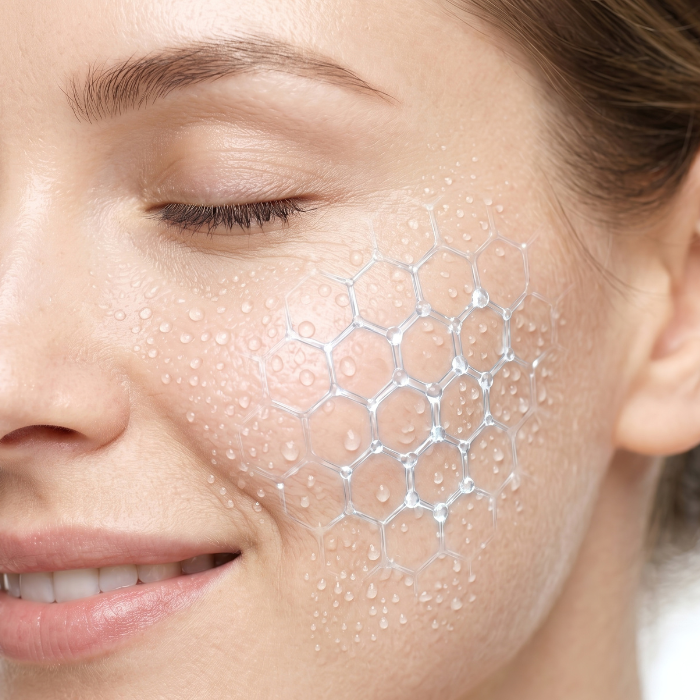
Don’t Forget About Your Skin Barrier
One area that’s often overlooked during summer and our summer skincare, is the skin barrier.
Many people assume that because their skin feels oilier, they should cleanse more aggressively or switch to stronger products. Unfortunately, this often has the opposite effect.
Over-cleansing and over-exfoliating can weaken the skin barrier. Once the barrier becomes compromised, moisture escapes more easily, irritation increases and the skin often responds by producing even more oil in an attempt to protect itself.
Healthy skin isn’t skin that’s stripped of oil. Healthy skin is skin with a strong, balanced barrier.
Sometimes, a lightweight moisturiser is all that’s needed during the warmer months rather than abandoning moisturiser altogether. Supporting your skin barrier is one of the best things you can do for healthy skin, regardless of the season.
Adapt Your summer skincare Routine Rather Than Replacing It
Our skin naturally responds to changes in temperature, humidity and lifestyle. You may find that you prefer a lighter moisturiser during the warmer months. You may need to cleanse more thoroughly in the evening to remove sunscreen, perspiration and pollution. If you’re spending more time outdoors, you’ll almost certainly need to reapply your SPF more regularly. If you’re sitting in air-conditioned environments for long periods, your skin may become more dehydrated than usual.
These are sensible adjustments based on your environment and your lifestyle.
They are very different from abandoning ingredients that have been improving your skin simply because the calendar says it’s summer.
Don’t Let Social Media Decide What’s Best for Your Skin
Skincare trends come and go incredibly quickly.
One week everyone is told to stop using vitamin A. The following week they’re told to avoid cleansing in the morning. Before long, another trend appears claiming a completely different routine is the secret to healthy skin.
The reality is that your skin doesn’t follow trends.
It responds to consistency, good ingredients and evidence-based skincare.
That’s why I always encourage my clients to understand why they’re using a product rather than simply following advice because it’s popular online.
When you understand how your skin works, you become far less influenced by headlines, myths and social media trends.

My Final Thoughts For your Summer Skincare
Your skin doesn’t know it’s Summer or Winter.
It doesn’t care what the calendar says. It only knows whether it’s being protected, supported and cared for properly.
Instead of changing your entire skincare routine because the seasons have changed, think about what your skin is actually experiencing. Protect it from increased UV exposure, support it with antioxidants, continue using ingredients that have been working well for you and make sensible adjustments based on your environment rather than the month on the calendar.
Healthy skin isn’t achieved by constantly changing products. It’s achieved through consistency, patience and understanding how your skin really works.
At The Beauty Bistro, my approach has always been to treat the skin, not the season. Every skin is unique, which is why skincare advice should be based on science, your skin concerns and your lifestyle, not the latest trend on social media.
If you’re unsure whether your skincare routine is giving your skin everything it needs this summer, I’d be delighted to help you choose a routine that keeps your skin healthy, resilient and glowing all year round.