

Vitamin A is also the cornerstone ingredient for active ageing..! Something that we all want, right?
..but how many times have you bought Vitamin A skincare products (or any skincare products for that matter) based on a friend’s experience, or because of a social media influencer, or what you have read in glossy magazines? All of the above seems to be a real trend that I often see when working, especially with new clients. I also hear comments such as ‘I use it because my friend recommended it, or ‘I want the highest percentage of vitamin A in my skincare’ or ‘ If it doesn’t make my face red then it’s not working’….honestly, I could go on.
However, the abundance of contradictory advice makes separating myth from fact challenging. Rest assured, I’m here to provide you with reliable and simple facts about Vitamin A….
Firstly, regardless of what you read or who you listen to, let’s get one thing straight here: Vitamin A does NOT thin the skin; in fact quite the opposite, it thickens and compacts the skin by stimulating collagen production. Vitamin A is an exfoliator in its own right and increases cell turnover. It protects the skin from environmental attack, plumps, feeds and detoxifies, balances oily and dry skin, retains moisture, evens skin tone, repairs, and supports skin immunity… it is most certainly the wonder ingredient! Initial dryness or a few breakouts to the skin may occur as the skin starts to adapt to vitamin A, especially when you use it for the first time. However, it doesn’t happen to everyone, and any symptons should pass after a few weeks of use. Let’s not forget vitamin A is also necessary for vision, growth, reproduction and to support your heart, lungs & other organs to work properly.
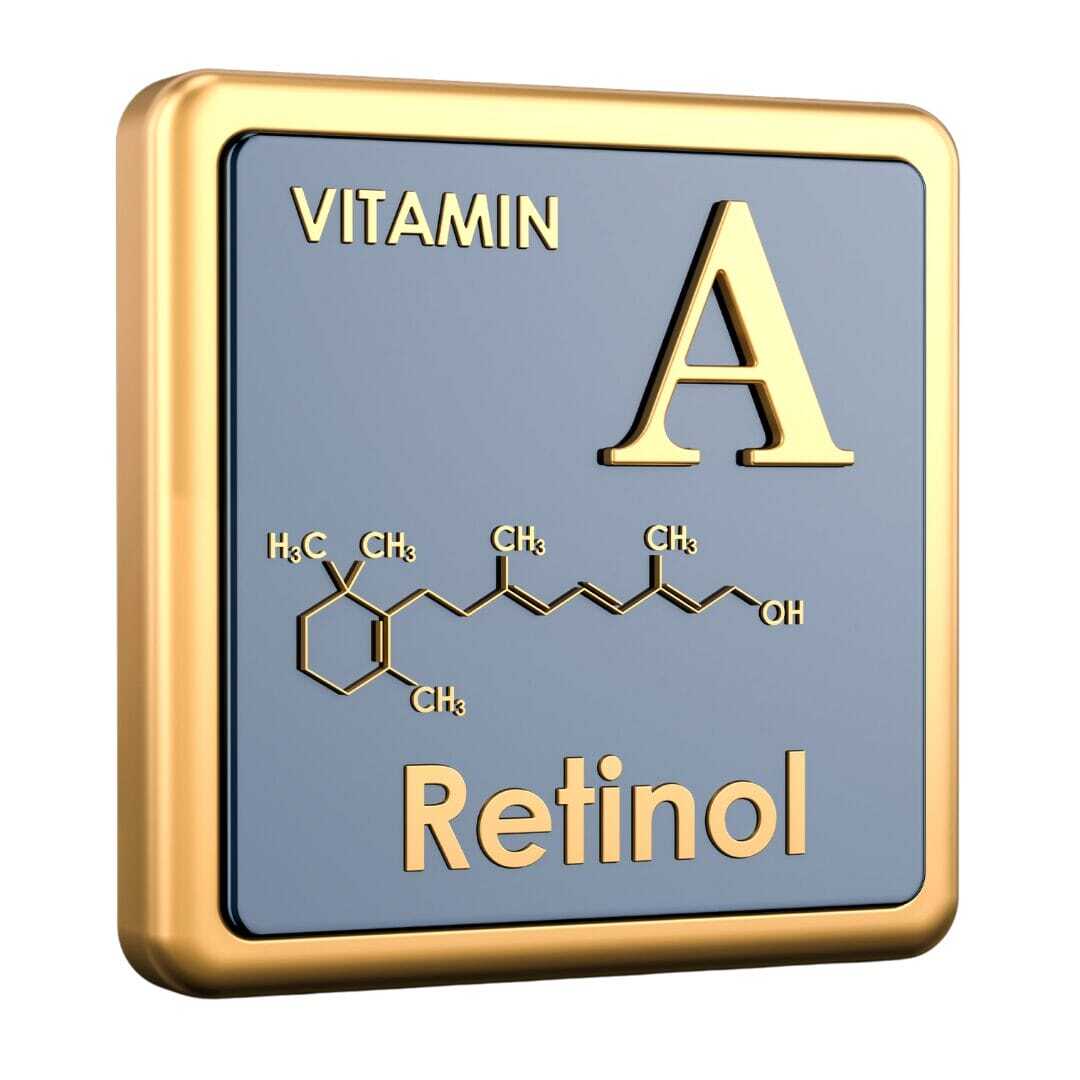
As I mentioned, these are simple facts about vitamin A; it doesn’t matter what vitamin A you use, whether it be retinyl palmitate, retinyl proportionate, retinyl acetate, retinol, retinaldehyde, or any other forms of vitamin A. They ALL have to convert into retinoic acid. Retinoic acid (Tretinoin) is the strongest and most powerful form of vitamin A, which is why it is only possible to obtain by a doctor’s prescription.
As an example, retinyl palmitate is the lowest form of vitamin A but still converts to retinoic acid. It just takes more conversions to do so than, let’s say, retinol, as that is stronger than retinyl palmitate, so it requires fewer conversions to retinoic acid….but the point still remains the same: ALL forms of vitamin A convert to retinoic acid.
Jennifer Munro, Professor Des Fernandes, Dr Ernst Eiselen, and Candace Noonan have all contributed to a wonderful informative article about understanding Vitamin A, which is so very helpful when trying to understand exactly how vitamin A behaves. If you wish to broaden your understanding of vitamin A further, do take a look at the article, Vitamin A Precious Molecule. It is well worth a read!
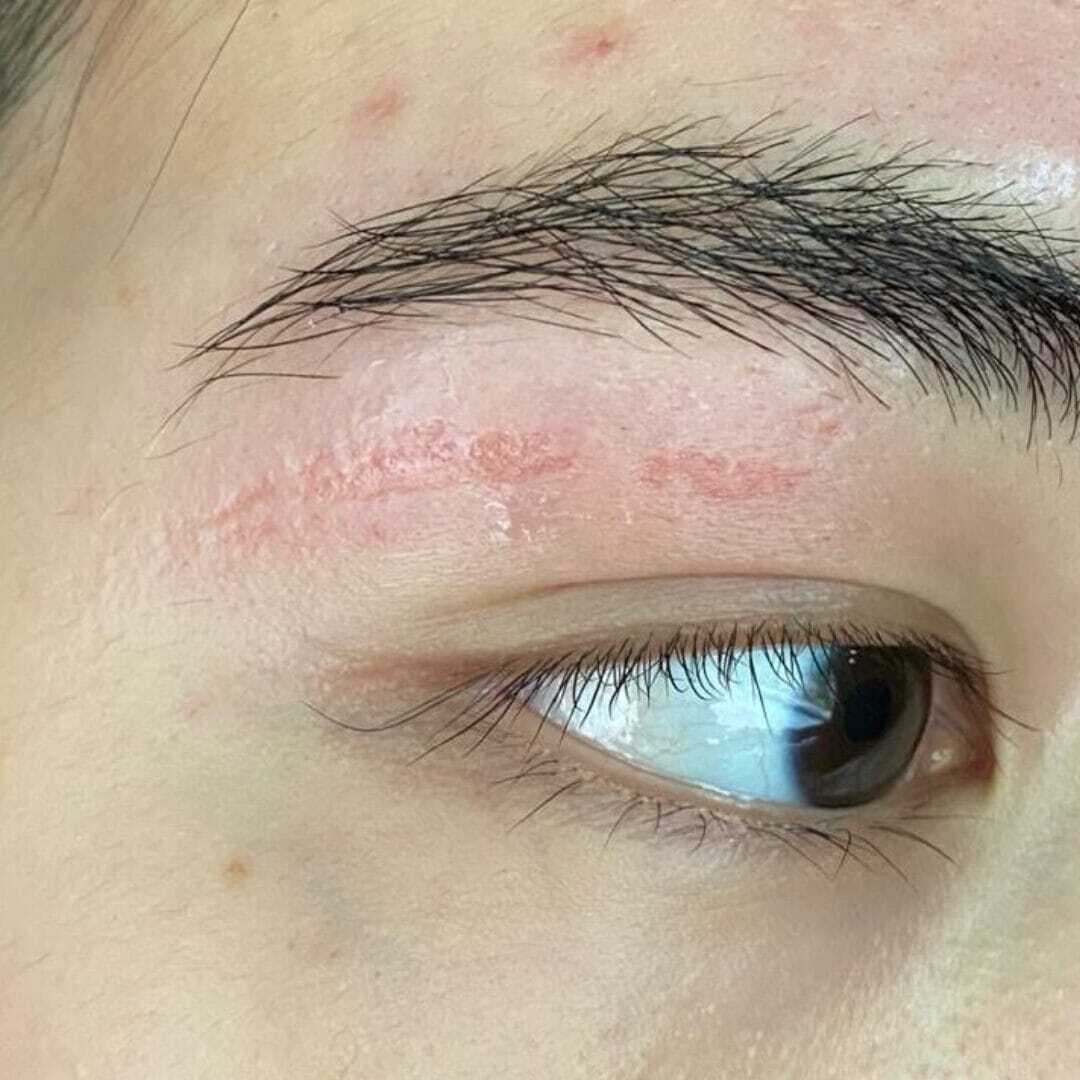
Vitamin A, (especially in its stronger forms), can cause retinoid reactions. These reactions often present in dryness, redness, itchy pimples, puffiness or inflammation. Poor retinoid receptors are the main cause of a reaction; Retinoid receptors are developed by exposure to vitamin A and until the metabolic process are working correctly, the skin will be fooled into believing that it is being overdosed with vitamin A. These sorts of reactions generally occur in the winter months and, more often than not, on the neck where the skin is thinner, which usually presents as a red rash and itchy, sometimes a little sore. Did you know that Vitamin A depletes quickly in UV and works at half capacity in the summer and at full capacity in the winter months when the UV is at its lowest? In the winter, with the addition of high-neck jumpers and scarves, which can cause further irritation and friction, these reactions can make the neck really quite unhappy. Funnily enough, we have to understand that a retinoid reaction is telling us that our skin is deficient in vitamin A. However, there are ways of reducing retinoid reactions, such as incorporating vitamin A orally through food supplements; this removes retinoid reactions and flaky skin completely and is perfect for anyone with ultra-reactive skin. Slowing down, by spacing the application of vitamin A. Diluting vitamin A with a non-vitamin A moisturiser or reducing the strength of the product to a lower form of vitamin A.
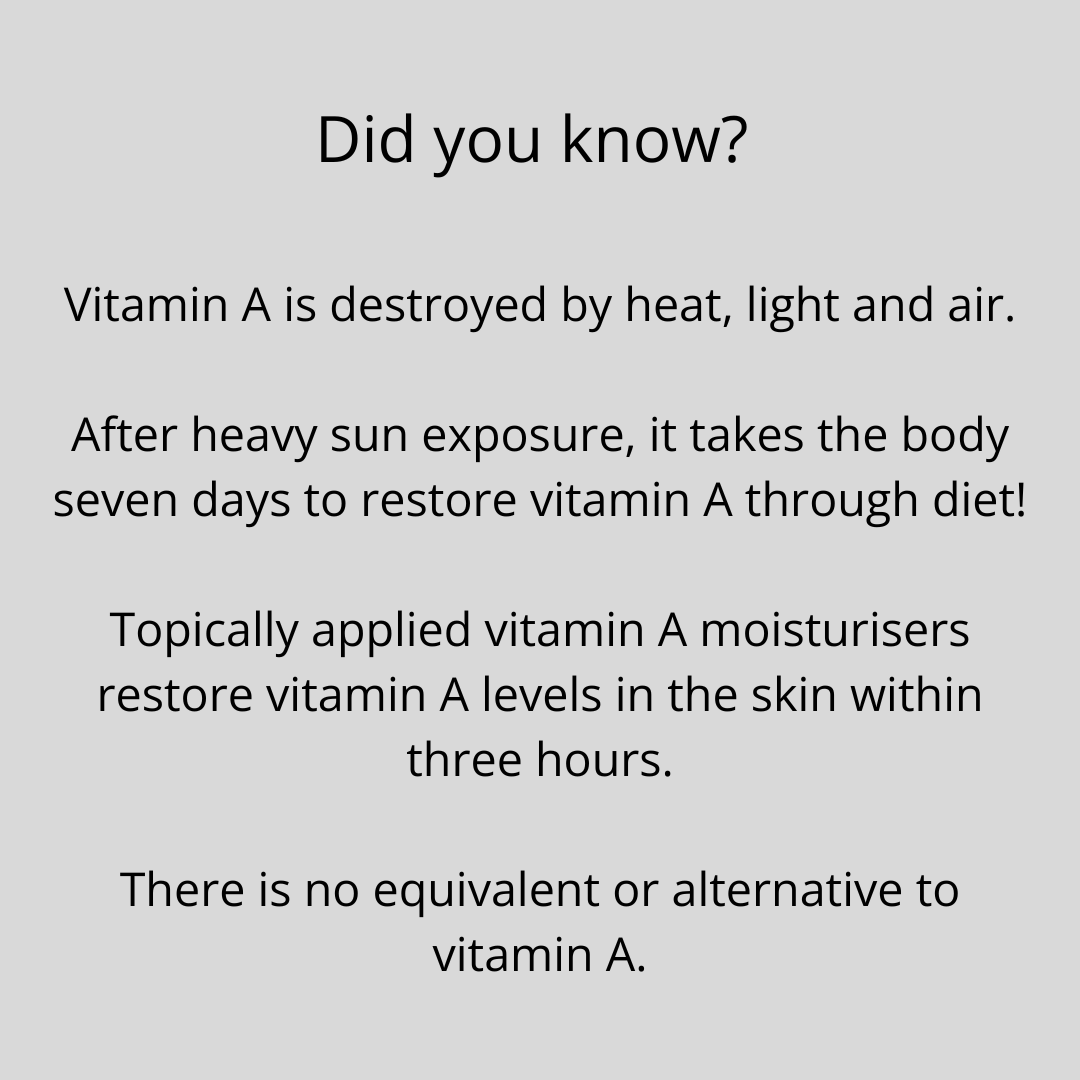
Did you know Vitamin A is measured in international units? If you consider that all the various forms of vitamin A will be different weights, a product stating it contains a 0.5 percentage of vitamin A could quite easily amount to a pin head size compared to another form of vitamin A, which a product containing a 0.5 percentage could be a thimble full! Now, isn’t that something to think about….. try not to get too involved, thinking that the higher the percentage, the better for your skin it is. You can get to the same result using lower levels of vitamin A, just over a slightly longer period of time and in a kinder way for your skin. Some people can not easily tolerate high levels of topically applied vitamin A, at all.
When using higher levels of vitamin A, the potential for skin flaking and shedding often becomes more noticeable, remember I mentioned above that vitamin A is an exfoliator and increases cell turnover. However, this does not necessarily indicate that vitamin A is unsuitable for your skin and should not be used. In the case of consistent flaking, it might be wise to switch to a milder form of vitamin A product… slower is more stable and less irritating to the skin. It is not a race to the top here…oh and as a word of caution, also be mindful of how much additional exfoliation you are doing!! Over-exfoliation is DEFINITELY NOT the answer to healthy skin.
A little wax tip for you! Be mindful of waxing your face when using vitamin A. Due to the skin becoming more compact, the skin can be pulled off with the wax. It’s not unusual to see what looks like burns on the eyebrows or top lip after waxing. Plenty of times, I’ve had clients come for facials, and the first thing they say is ‘Bev, look, I had my eyebrows waxed, and they burnt me with the wax’ …errrmmm well, this can happen; however, it is probably down to using topical vitamin a and waxing, they don’t always play happily together. Threading would be a kinder option for the skin.
I’d like to mention some outstanding vitamin A skincare products in their field that I hold in stock in the clinic.
SkinBetter Science has multiple award-winning Vitamin A skincare products. Two of their best-selling products, Alpharet Overnight Cream and Intensive Alpharet Overnight Cream, contain a retinoid and AHA (alpha hydroxy acid) encapsulated for slow release, preventing skin irritation. The alpharet overnight cream is suitable for beginners to vitamin A skincare.
Environ Skincare has a world-leading vitamin A step-up system, whereby you start at the lowest levels of vitamin A and increase at a slower pace to the highest levels, therefore reducing the negative effects on the skin. Environ Skincare has won ‘Best Medical Skincare’ for seven consecutive years in the prestigious ‘Aesthetic Everything’ awards.
Don’t forget there are quite a few foods that are rich in vitamin A and are beneficial to add in moderation to your diet, they include (but not limited to:)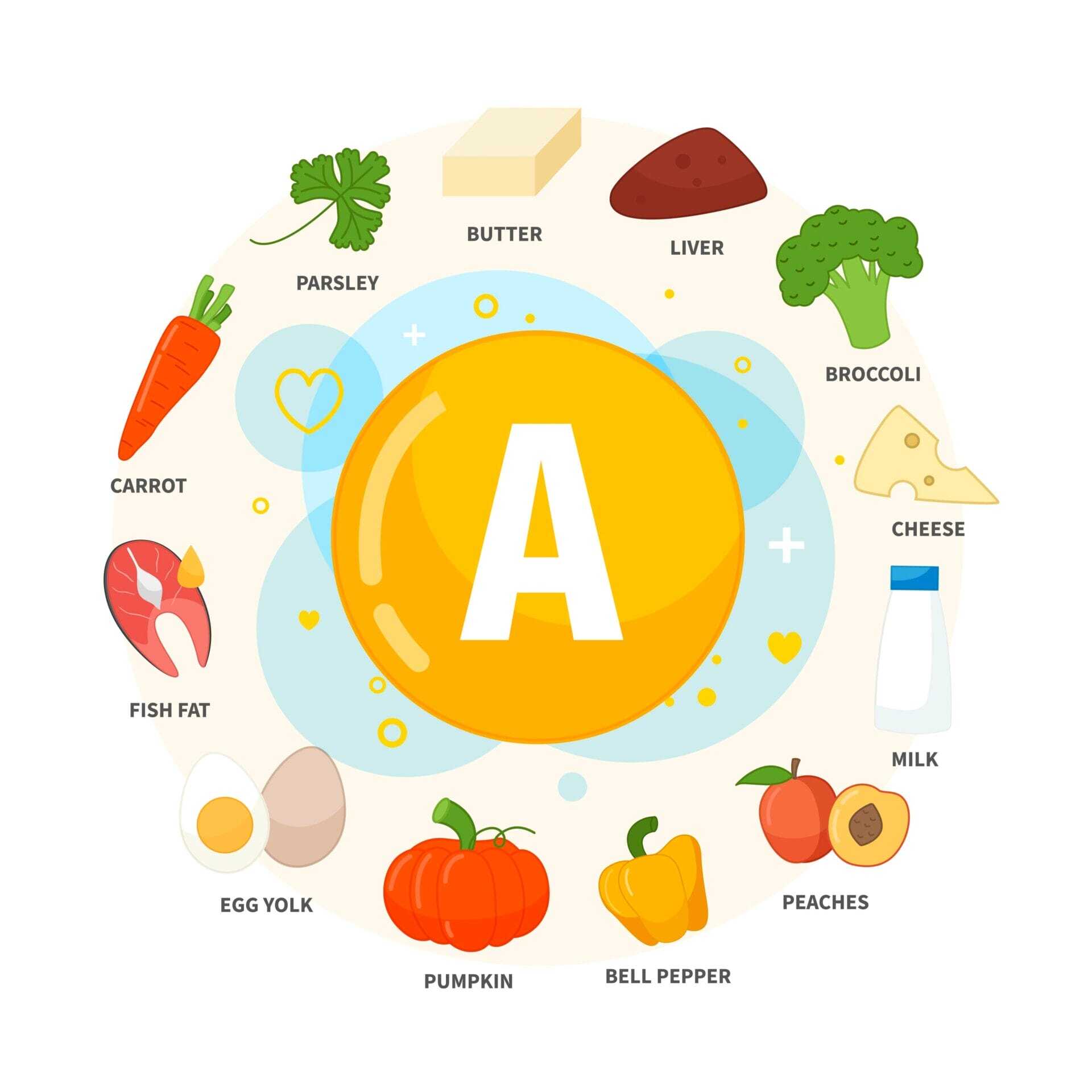
If you would like to understand how vitamin A could specifically benefit your skin and skincare routine, book a free consultation with me and let’s begin your journey to skin health.