


Skin health and skin wellbeing have been my passion (or maybe an obsession) for more than fifteen years, so I love to share my knowledge with you to help you on your journey to better skin health. This month, I want to talk to you about skin barrier dysfunction.
What is a skin barrier dysfunction?
Skin barrier dysfunction is a condition in which the skin’s protective outer layer, known as the stratum corneum, is damaged or weakened.
Why do we need a skin barrier?
You need a correctly functioning skin barrier to protect your skin from harmful external factors such as pollution, allergens, and bacteria. If your skin barrier is damaged and not functioning at its best, your skin is more vulnerable to these external factors, which means you will be more prone to a number of skin issues, including dryness, tightness, infection, irritation, acne, dermatitis, and other concerns.
The skin barrier does all of this;
- Prevents water loss and maintains hydration levels
- Helps to block those harmful pathogens and allergens
- It reduces your skin’s sensitivity to irritations
- Helps your skin to heal and regenerate
- Prevents existing skin conditions such as eczema from worsening
- Maintains your overall skin health
- Supports a healthy immune system
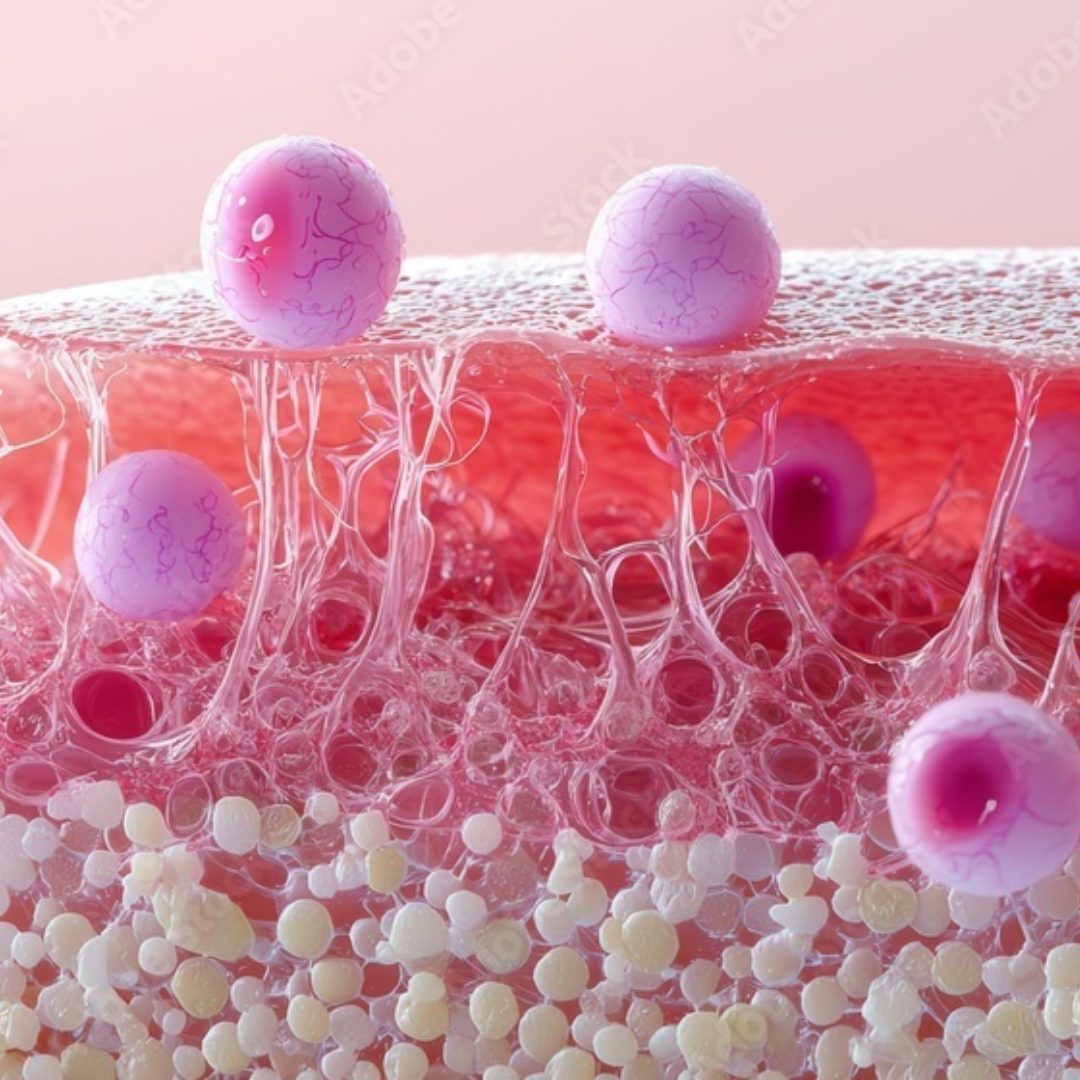
The skin barrier is made up of lipids (fats), cholesterol, ceramides, and fatty acids, and these all work in unison to keep the skin barrier intact and the skin at optimum health. So, what can cause a skin barrier dysfunction?
The skin’s barrier is your body’s first line of defence against external harmful factors, and by not protecting it, you open yourself up to these harmful factors.
Causes of skin barrier dysfunction
There are several things that can contribute to skin barrier dysfunction, some of which include;
- Environmental factors (cold weather, too much sun, etc)
- Harsh skincare products (soaps, high alcohol content or even strong fragrances)
- Poor hydration
- Existing skin conditions (rosacea, eczema, or psoriasis)
- Overwashing of your skin (you can strip the natural oils, especially if you use hot water)
- Over exfoliating

It’s about knowing your skin and being mindful of how you treat it, what products you use, and external environmental factors.
What are the side effects?
If you think you may be suffering from skin barrier dysfunction, then the questions to ask yourself are;
- Is your skin feeling drier than normal? Is it flaking?
- Is your skin feeling sensitive to your skincare products?
- Have you noticed any environmental triggers?
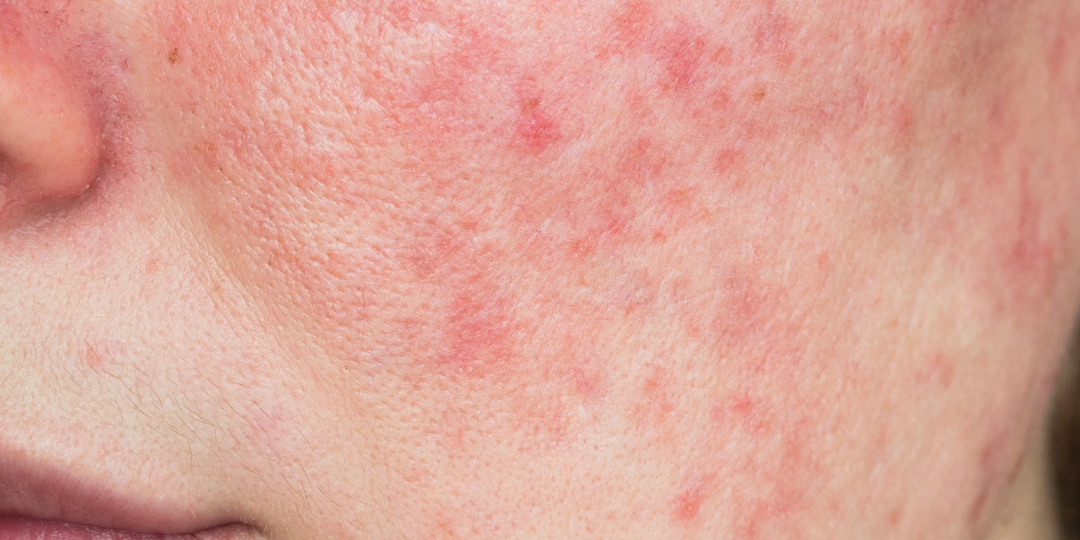
- Does your skin appear red or feel irritated?
- If you have a pre-existing skin condition, is it getting worse?
You may even experience an infection to your skin, so the best thing you can do to protect your skin is prevention.
How to prevent/treat a skin barrier dysfunction
Prevention is always better than treating the problem after the fact; however, fear not, you can reverse the damage to your skin and restore the skin’s protective layer. I’d recommend always taking care of your skin wellbeing and its health. The best way to protect your skin barrier is;
- Understand your skin and its needs, and use skincare products suitable for your skin. If you have dry or flaky skin, consider hydrating products such as SkinBetter Science TRIO Rebalancing Moisture Treatment or SkinBetter Science TRIO LUXE
- Lean towards active moisturising ingredient-based products that are gentler on your skin and avoid harsh chemical-based products.
- Hydration is key; keeping your body and your skin hydrated is essential when it comes to skin wellbeing and health. One of the best ways to increase hydration throughout your body is by taking Omega Fatty Acids, such as the Advanced Nutrition Programme Skin Omegas+
- Don’t over-exfoliate or excessively scrub your skin. Overwashing or scrubbing at your skin can strip away your skin’s natural oils, and dead skin cells, which in fact, are actually there to protect it!
- Use skincare designed and formulated to restore the skin’s natural barrier. Applying your skincare straight after cleansing will help lock in moisture. Look for products containing ceramides, hyaluronic acid, glycerine, or fatty acids, as they are key to restoring the skin barrier. Sente Dermal Repair cream is a wonderful product to use to repair the barrier function of your skin.
- When washing your face, avoid using hot water as it can have a dehydrating effect on your skin by stripping natural oils. Use tepid water for washing and bathing.
- Protect your skin from the environmental factors I mentioned above. Use a good-quality sunscreen every day (yes, even in winter and on cloudy days). I recommend an SPF of 15 or above. Try Ekseption All Day Shield SPF50.
- Make regular skincare appointments part of your routine. Having regular appointments with a professional like me can help keep your skin at its optimum health and keep you glowing all year round.
If you’d like to book a consultation, I’d be delighted to assist you with your skin health and wellbeing journey. ❤️