Why stress can silently undermine beautiful and resilient skin
Your skin is a living protective organ that constantly works to defend you from the outside world. Its most important defence lies in the skin barrier. The outermost layer of the skin provides strength, hydration and resilience that keep irritants out and moisture in. However, this barrier is not just affected by skincare and treatments. Internal factors, including increased cortisol and stress, deeply influence it. The mind and skin are closely connected, and stress can silently weaken everything you are trying to achieve with good skincare.

Cortisol is a stress hormone released by the adrenal glands in response to pressure, deadlines, emotional strain and disturbed sleep. In short bursts, cortisol helps us adapt. In everyday continuous stress, it becomes a problem. Long-term raised cortisol signals the skin to prioritise survival over repair and beauty. Cellular renewal slows down. Lipid production drops. Hydration escapes more easily. Inflammation rises in the deeper layers of your skin.
One of the first casualties of stress is the lipid matrix that forms the structure of your barrier. Ceramides, fatty acids, and cholesterol work together to keep your skin strong. Under stress, the enzymes responsible for producing these essential lipids become less active. When this happens, the barrier becomes thin and weak. Water evaporates from the surface, causing tightness, dryness and fine lines. This is why stressed skin often looks dull even when you have regular facials or use good moisturisers.

Cortisol also disrupts the maturation and organisation of skin cells. The layers that should fit together tightly become looser, and gaps develop. These tiny openings allow irritants and pollutants to penetrate more easily, triggering redness and sensitivity and further skin stress. Many people describe their skin as reactive or sensitive when they are overwhelmed in life. The skin is not just reacting for no reason. The internal stress message is literally reshaping the barrier.
Stress not only weakens the surface. It also affects deeper vitality. Cortisol interferes with fibroblast activity, which is essential for the production of collagen and elastin. When this process slows, the skin becomes less firm and shows signs of ageing more quickly. Inflammation also rises, which can worsen acne, rosacea, and flare-ups that seem to appear at the most inconvenient times. Recovery after treatments can be slower. A peel, microneedling or any advanced facial may deliver results, but the journey back to full strength takes longer because the skin is struggling to repair.
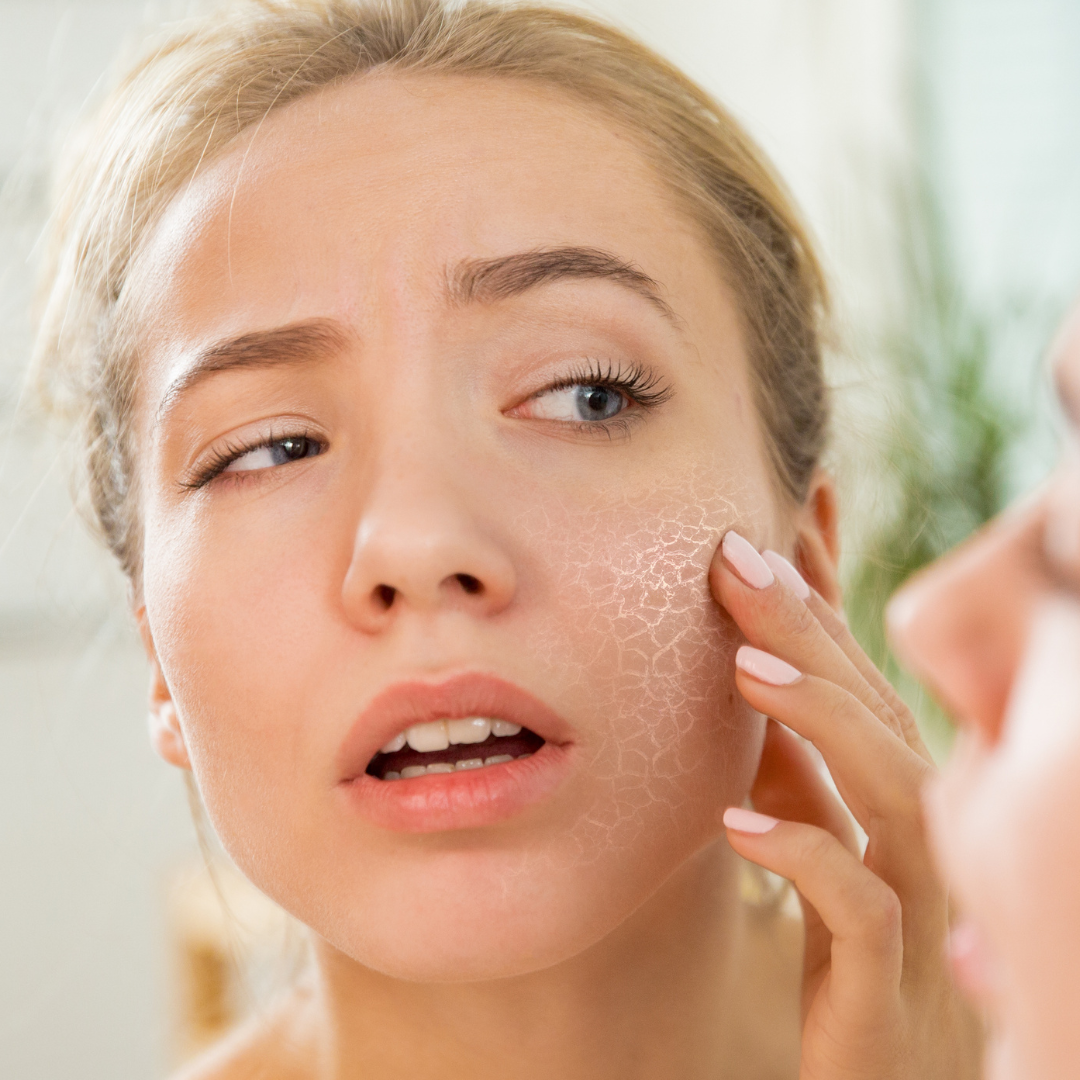
There are clear signs when the barrier is under stress. Skin may feel dry or tight, even when using good products. New products may sting when they never did before. Results from normally effective treatments may take longer to show. Breakouts may appear around the jaw or cheeks, linked to emotional strain rather than purely hormonal changes. In some clients, fine capillaries may become more visible because cortisol influences circulation. When this pattern appears frequently, the underlying driver is often life stress rather than product choice.
Stress – Skin Check In
Is your skin trying to tell you something
Do any of these feel familiar?
Your skin feels tight or dry, even with moisturiser
Products that used to be fine now cause irritation
Breakouts appear during demanding periods
Your glow disappears no matter what you try
Recovery from treatments feels slower than before
If you recognise these changes, your barrier may need support from both inside and outside.
Supporting stressed skin requires a combined approach. It is wise to focus on treatments that rebuild strength rather than aggressively resurface. Treatments that support ceramide production and calm inflammation help restore stability to the skin. Post-treatment care should be centred on soothing, nourishing ingredients and barrier-repairing ingredients that help the skin regain its natural resilience. When lifestyle stress is high, the timing of advanced treatments may need to be adjusted to protect long-term results.
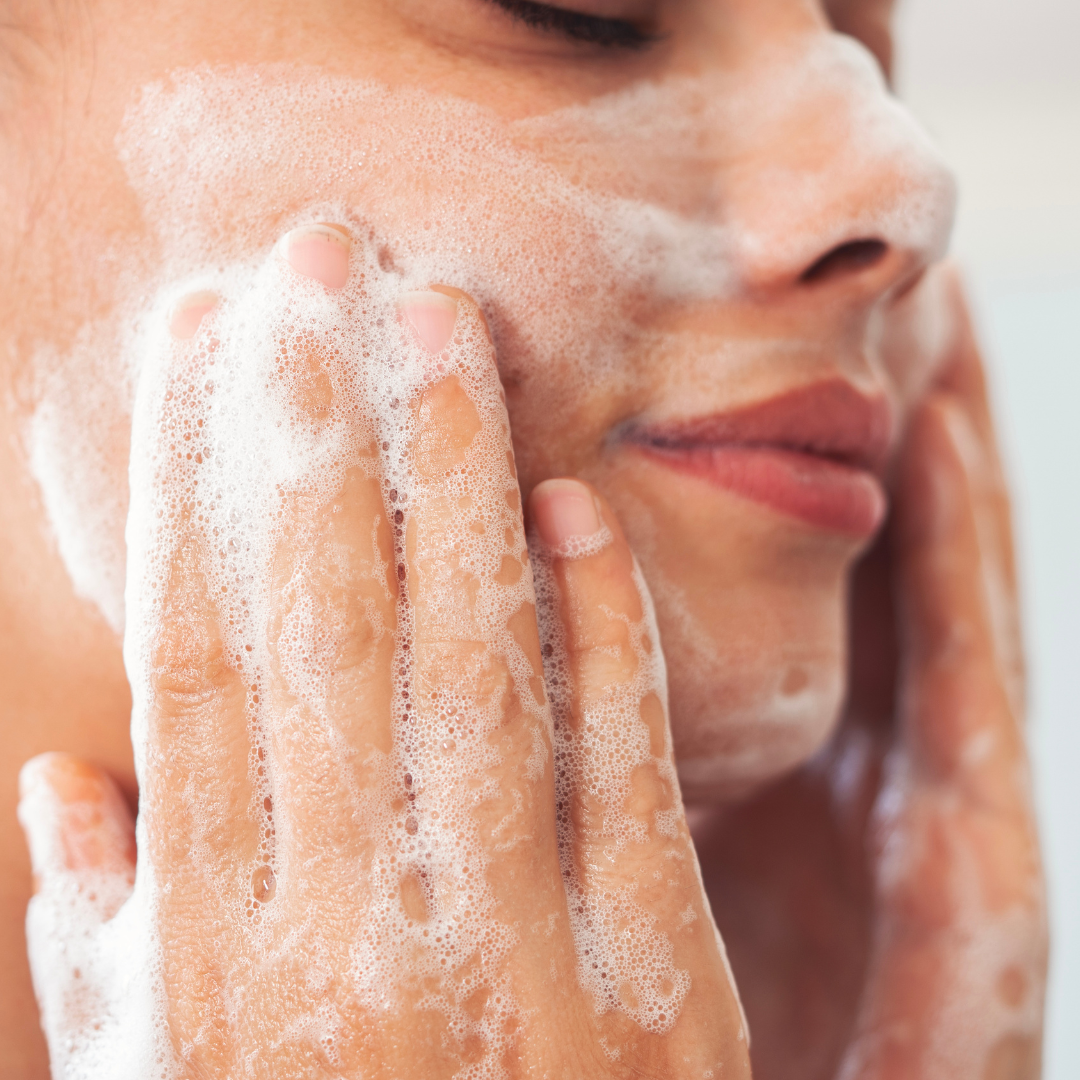
Skincare also matters. Gentle cleansing, rich barrier support, avoiding product overload, and attention to sleep and nutrition can make a noticeable difference. Stable sleep cycles help cortisol regulate naturally. Mindfulness and movement can lower the skin’s stress response almost immediately. Nutrition plays an important role. Omega-3 polyphenol-rich fatty acid supplements can help calm inflammation from within and support the rebuilding of the barrier. This inside-out approach gives you better outcomes from your in-clinic results.
The most important message is that stress is not just an emotional feeling. It becomes a physical condition, and the skin reflects this faster than most other systems in the body. When life becomes demanding, the skin needs more support, not more stripping. Focusing on strength, resilience, and calm communication between your body and skin will protect your investment in clinical skincare and help you look as confident as you feel on your best days.
When your skin is under stress, you deserve care that understands the whole picture. At The Beauty Bistro, every treatment is tailored to your current state of skin health and lifestyle balance. If you feel like your barrier is struggling or your skin is not responding the way it once did, this may be the time to focus on restoring harmony inside and out.
Book a complimentary consultation and let me help your skin regain the strength and clarity it deserves.