Professional Support for Acne, Rosacea, Eczema & Compromised Skin
For clients seeking acne treatment in Southampton, as well as professional support for rosacea, eczema and compromised skin, I provide an individually tailored approach based on professional skin assessment, treatment and home skincare. Chronic and persistent skin concerns require a considered approach that takes into account the condition of the skin barrier, inflammation, sensitivity, hydration and the individual factors influencing the skin.
Rather than relying on a single treatment or standard protocol, I take a progressive approach based on professional skin assessment, individually selected treatments and the correct home skincare. Where appropriate, internal supplementation may also form part of the overall skin management plan.
Your skin is continually assessed throughout treatment. The modalities used, treatment intensity, frequency of appointments and homecare recommendations can therefore be adjusted according to how your skin responds and what it requires at each stage.
Acne Treatment in Southampton
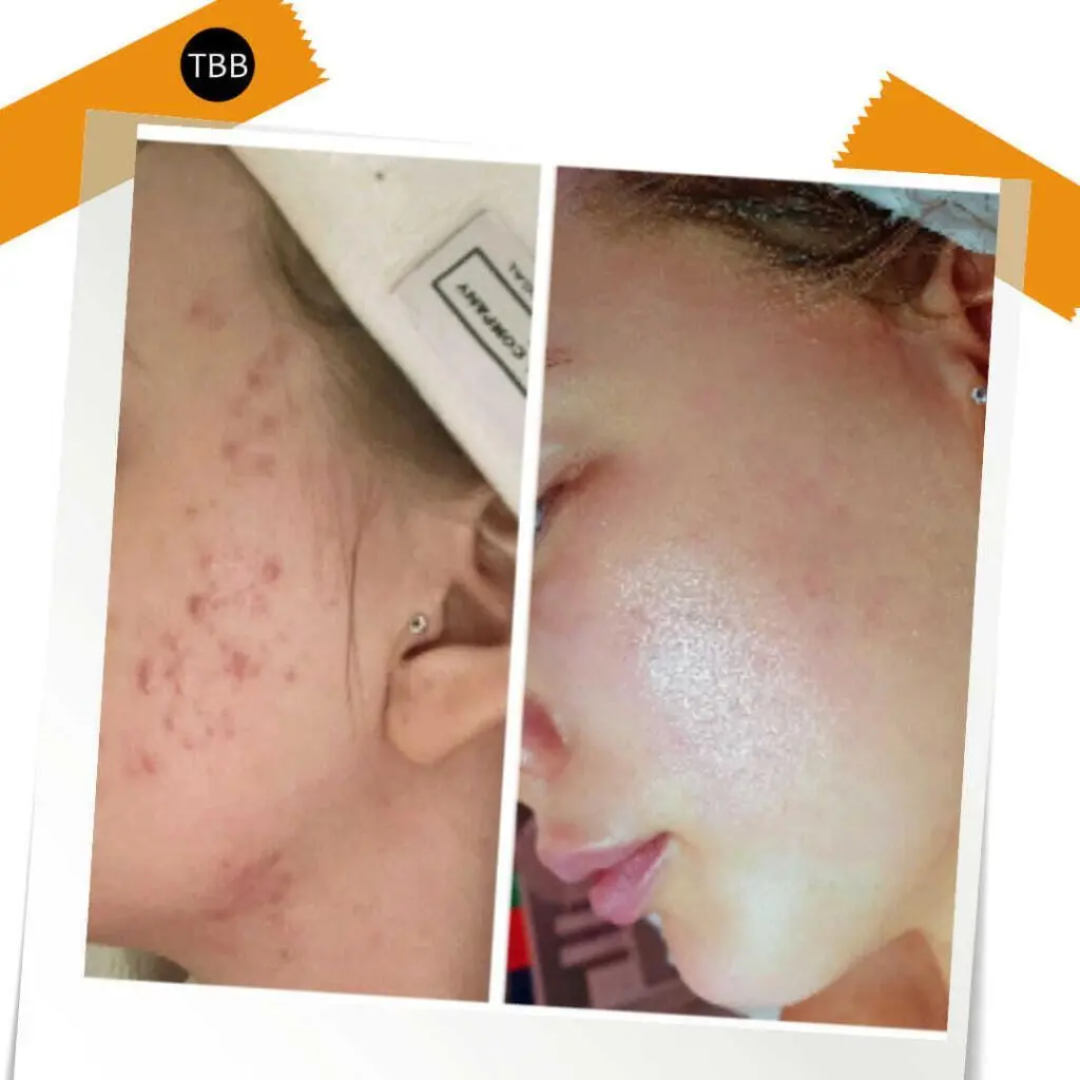
Acne is a multifactorial skin condition and can present very differently from one person to another. Some forms involve visible inflammation, including papules, pustules and deeper lesions, while others predominantly present as blackheads, whiteheads, congestion and uneven skin texture.
The development of acne can involve excess sebum production, accumulation of dead skin cells within the follicle, altered cellular turnover and changes within the skin’s microbial environment. Hormonal influences, genetics, stress, lifestyle and disruption of the skin barrier may also contribute to its persistence.
My approach to acne treatment focuses on understanding how your individual skin is presenting. Professional treatments may be selected to support controlled skin renewal, hydration, follicular clearing, skin barrier function and the overall skin environment while minimising unnecessary irritation.
The correct home skincare is particularly important when managing acne. Products are selected according to the type of acne, oil production, hydration, sensitivity and tolerance of the skin, and the routine can be adjusted as the skin changes and improves. Where appropriate, advanced technologies may also be incorporated into your treatment plan to complement the overall approach.
Rosacea Treatment in Southampton
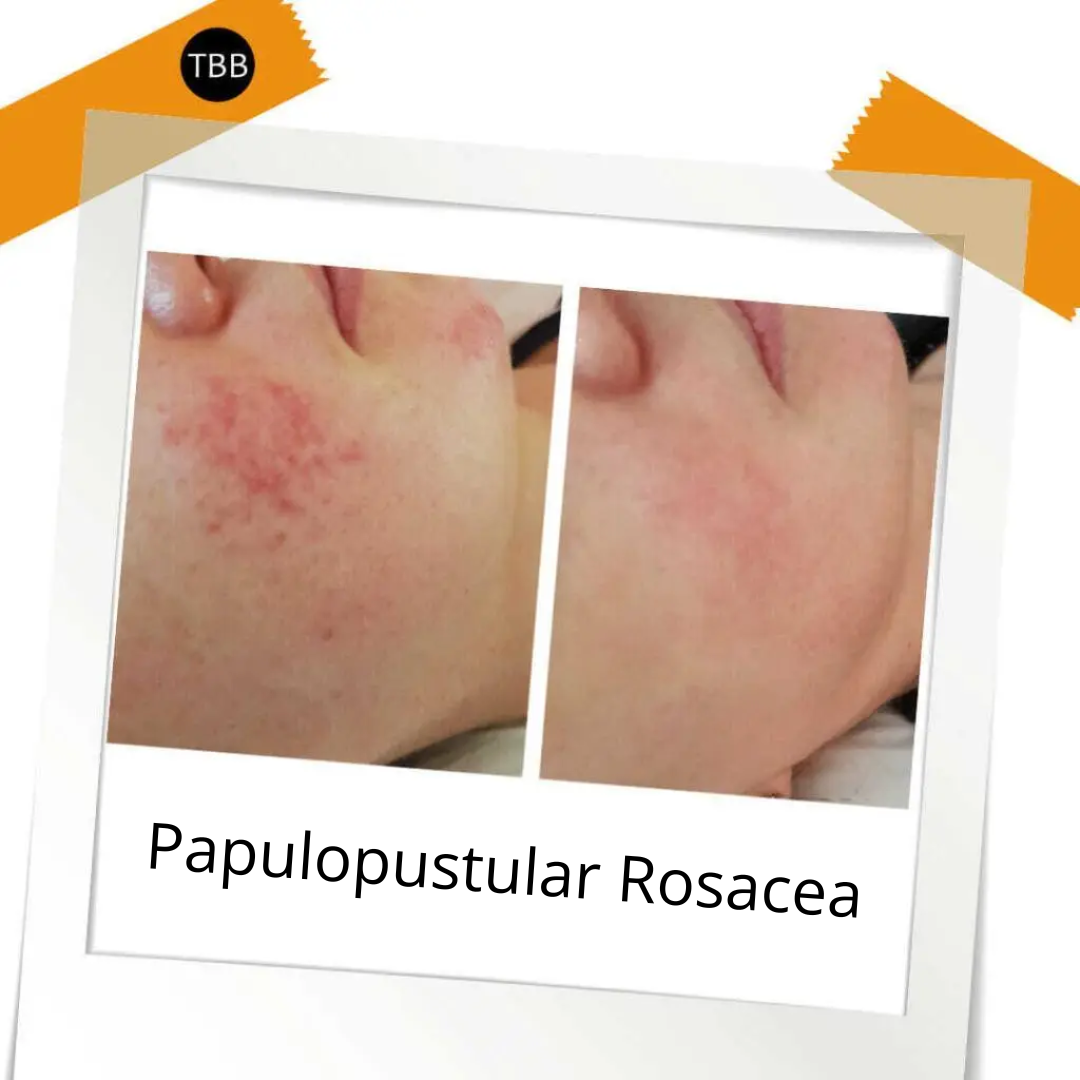
Rosacea is a chronic inflammatory skin condition that most commonly affects the central areas of the face, particularly the cheeks, nose, chin and forehead. It may present with persistent redness, episodes of flushing and increased sensitivity, and some people also experience visible blood vessels, bumps or pustules.
Rosacea can involve increased vascular reactivity, meaning that the small blood vessels within the skin respond more readily to internal and external triggers. Temperature changes, sun exposure, stress, certain foods, alcohol and topical irritation can all contribute to episodes of flushing or increased redness.
Barrier disruption can also be an important feature of rosacea-prone skin. When the barrier is compromised, the skin may become increasingly sensitive, feel warm, tight or uncomfortable and react to products that would otherwise be well tolerated. My approach to rosacea treatment in Southampton is therefore centred on the individual presentation of the skin. Professional treatment and homecare are selected to support barrier function, hydration, skin comfort and resilience while avoiding unnecessary stimulation of already reactive skin.
Treatment is adjusted gradually according to tolerance and response. The objective is to support a calmer, more resilient skin environment and improve the appearance of redness and sensitivity without compromising the barrier in the process.
Eczema Treatment & Skin Support in Southampton
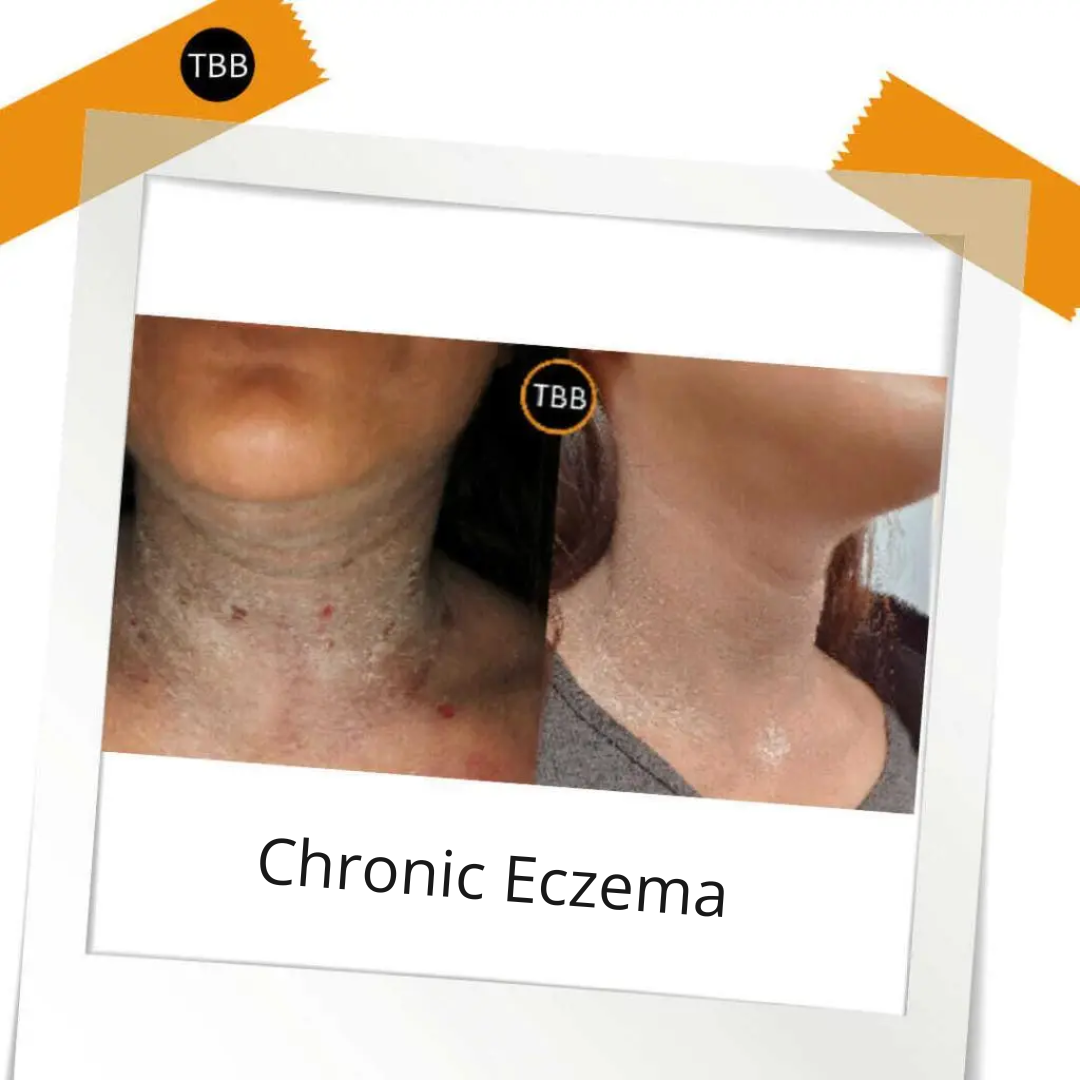
Eczema is a chronic inflammatory skin condition associated with impaired barrier function. When the skin barrier is compromised, moisture is lost more readily and the skin becomes more vulnerable to environmental irritants and other triggers. This can contribute to dryness, itching, redness, flaking, sensitivity and inflammation.
Because eczema-prone skin can be extremely reactive, my approach is focused on supporting the condition of the skin rather than aggressively treating it. Particular attention is given to hydration, barrier integrity, sensitivity and the products being used at home.
Professional treatments are carefully selected according to the skin’s presentation and tolerance, with gentle approaches used where appropriate to support hydration, comfort and barrier recovery. Home skincare is fundamental. A carefully considered routine can help support the skin barrier while avoiding ingredients or combinations that may contribute to further irritation. Where eczema is totally uncontrolled or infected, I will recommend appropriate medical advice alongside any professional skin support I am able to provide.
Barrier Repair & Reactive Skin
A healthy skin barrier plays an essential role in maintaining hydration and protecting the skin from environmental irritants and other external influences. When this barrier becomes compromised, the skin can lose water more readily and become increasingly sensitive and reactive.
Barrier dysfunction can present as persistent dryness, tightness, redness, stinging, irritation, flaking or a tendency to react unpredictably to skincare products. It may accompany conditions such as eczema, dermatitis or rosacea, but can also occur following over-exfoliation, inappropriate use of active ingredients, environmental exposure or prolonged irritation.
Treatment focuses on restoring a more stable skin environment. Professional therapies and homecare are selected to support hydration, barrier integrity, comfort and resilience while reducing unnecessary stimulation. As the condition of the barrier improves, the skin may become more comfortable and better able to tolerate appropriate skincare and professional treatment.
Psoriasis & Hyperproliferative Skin Conditions
Psoriasis is a chronic immune-mediated condition in which the normal cycle of skin cell turnover becomes significantly accelerated. This results in an accumulation of cells at the skin’s surface, producing areas that may appear thickened, dry, scaly, red or inflamed. Where professional skin support is appropriate, my focus is on the condition and comfort of the skin. Gentle approaches may be considered to support hydration and barrier function while avoiding unnecessary irritation to affected areas.
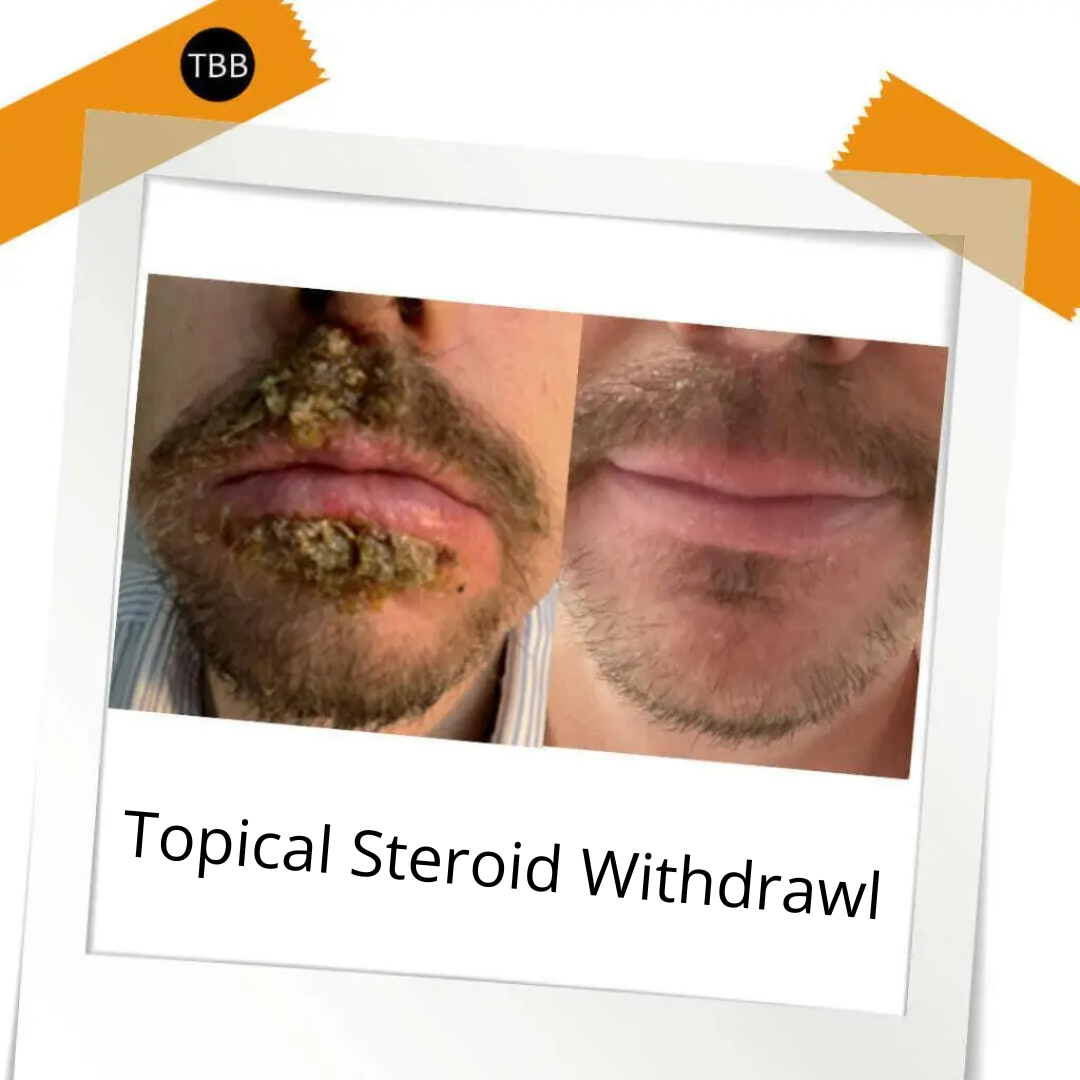
Topical Steroid Withdrawal & Compromised Skin Recovery
Topical Steroid Withdrawal (TSW) can occur in some individuals following prolonged or repeated use and subsequent reduction or discontinuation of topical corticosteroids. The skin may become extremely reactive, with symptoms including redness, burning, dryness, flaking and significant sensitivity. Skin experiencing these symptoms requires an especially cautious and gentle approach. My role is to support the condition and comfort of compromised skin while prioritising barrier integrity and avoiding unnecessary stimulation.
Professional Assessment & Your Treatment Plan
Chronic and persistent skin concerns cannot be approached effectively with a single standard treatment. Before beginning a corrective treatment plan, I need to understand your skin, its history, current condition, sensitivity and tolerance, as well as the products you are currently using.
Your treatment plan may incorporate different professional modalities over time, selected according to what your skin requires at each stage. Treatment intensity and frequency can also change as the skin becomes more stable or its requirements evolve.
Professional home skincare forms a fundamental part of this approach. The products used every day need to complement the work being carried out in clinic and be appropriate for the skin’s current condition. I will therefore recommend a personalised homecare routine and review it alongside your professional treatment plan.
For clients requiring ongoing corrective treatment and professional skin management, treatment can also be structured through The Skin Consistency Method, allowing the skin to be reviewed regularly and the treatment and homecare plan adjusted as it progresses.
Investment
60-mins – Clinical Skin Correction Treatment – £135
90-mins – Advanced Clinical Skin Correction Treatment – £165