The Skin You See Isn’t Always the Skin You’re Treating
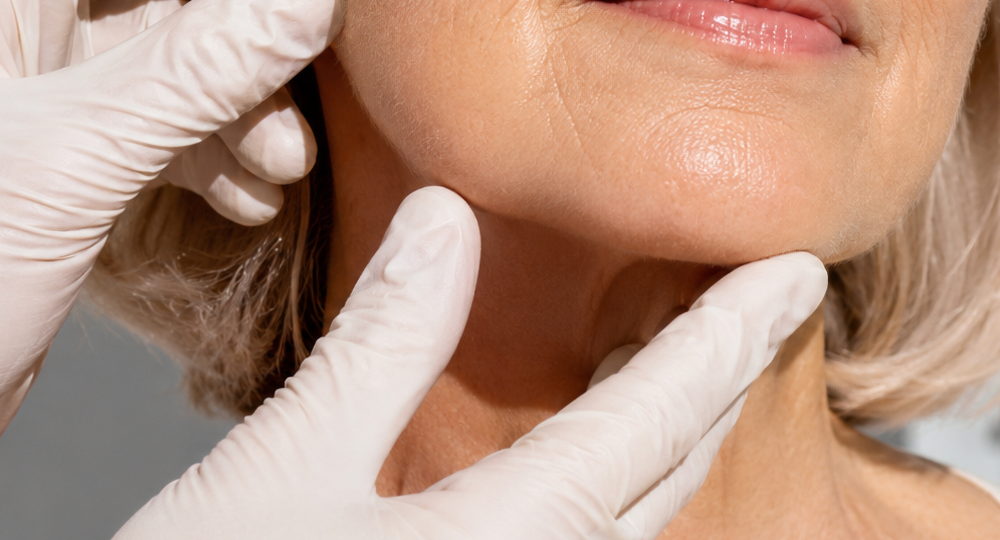
Understanding your skin involves more than identifying visible concerns. Professional skin analysis provides the foundation for personalised skin treatments by considering underlying factors such as inflammation, cellular activity and skin barrier dysfunction.
Redness doesn’t necessarily mean sensitivity. Breakouts aren’t always caused by excess oil. Dryness isn’t simply a lack of moisture, and pigmentation can involve far more than the dark patches visible in the mirror.
What we see on the surface is often the result of complex biological processes, some of which may have been developing long before any visible changes appear. The difficulty is that very different underlying mechanisms can produce remarkably similar symptoms. Several skin conditions can also exist simultaneously, influencing one another and complicating the skin’s response to treatment.
Your Skin Is Constantly Responding to Its Environment
Your skin is not simply a protective covering. It is a living, highly organised organ that continuously responds to internal and external influences.
Within the epidermis, skin cells develop, mature and gradually move towards the surface, where they form part of the protective stratum corneum. This outermost layer contains specialised lipids, including ceramides, cholesterol and fatty acids, which work together to maintain hydration and protect against environmental irritants. Beneath the epidermis, the dermis provides structural support through collagen, elastin and other components of the extracellular matrix.
Meanwhile, immune cells, blood vessels, nerve endings, sebaceous glands and pigment-producing melanocytes all contribute to the skin’s appearance and behaviour. These systems are closely interconnected. Inflammation can stimulate pigmentation. Hormonal changes can influence sebum production and skin hydration. A disrupted skin barrier can increase irritation and alter how the skin responds to products and environmental exposure.
What eventually becomes visible may therefore be the result of several interacting processes rather than one isolated problem. This is why two people with apparently identical skin concerns may require completely different treatment approaches.
Redness: One Symptom, Several Possible Causes
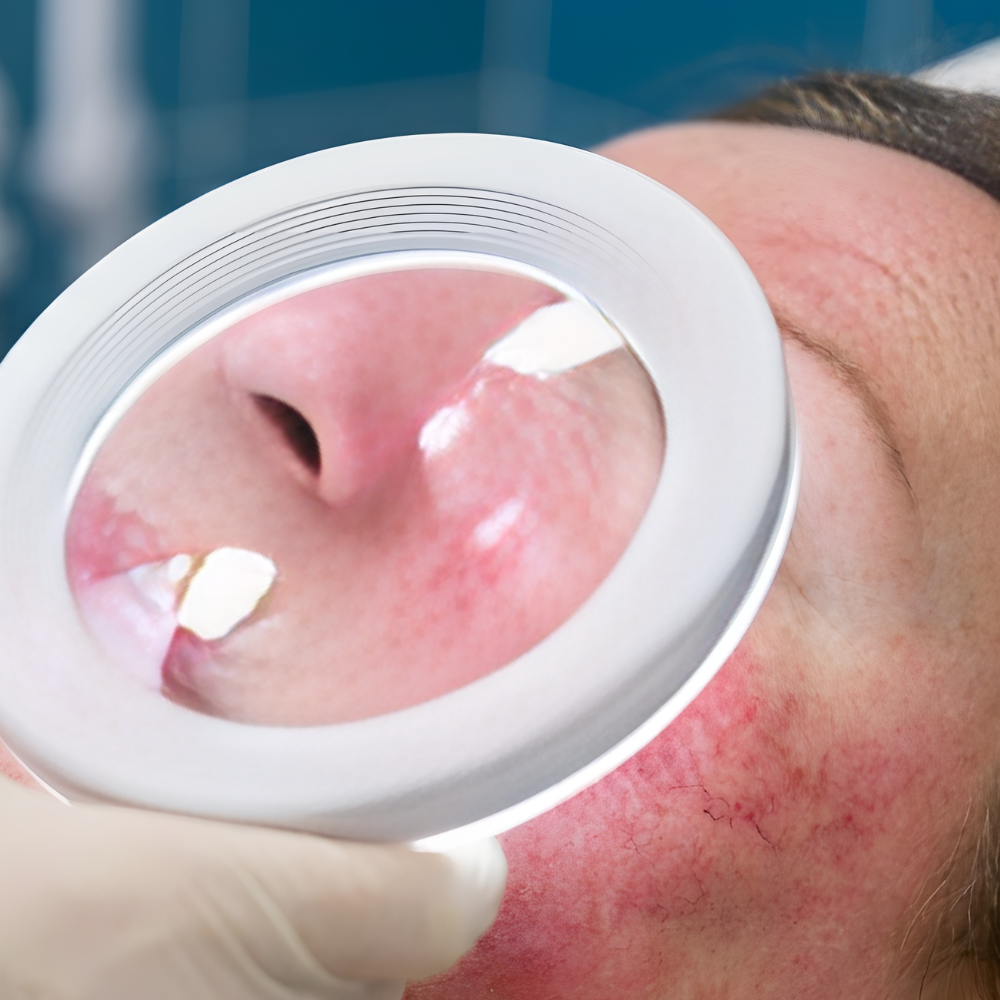
Facial redness is a particularly good example of how appearances can be misleading. Although redness is often described as sensitivity, the two are not interchangeable. Visible redness can result from increased superficial blood flow, inflammatory activity, persistent vascular changes or irritation associated with skin barrier disruption.
In rosacea, altered neurovascular responses and immune signalling contribute to flushing, persistent redness and inflammatory lesions. Some individuals also develop visible superficial blood vessels or experience burning and stinging sensations.
By comparison, excessive exfoliation or poorly tolerated skincare may produce redness because the protective barrier has become disrupted, allowing irritants to penetrate more readily and trigger inflammatory responses.
Contact dermatitis can produce a similar appearance through different mechanisms. The distinction matters because the treatment priorities differ. Skin experiencing barrier impairment may benefit from reducing irritating exposures and restoring its protective function. Rosacea often requires a broader approach involving appropriate skincare, trigger management and, where necessary, medical treatment. Treating every instance of redness in exactly the same way overlooks these important differences. Redness tells us that something is happening. It doesn’t automatically tell us what is causing it.
Dryness, Dehydration and Skin Barrier Dysfunction: Understanding the Difference
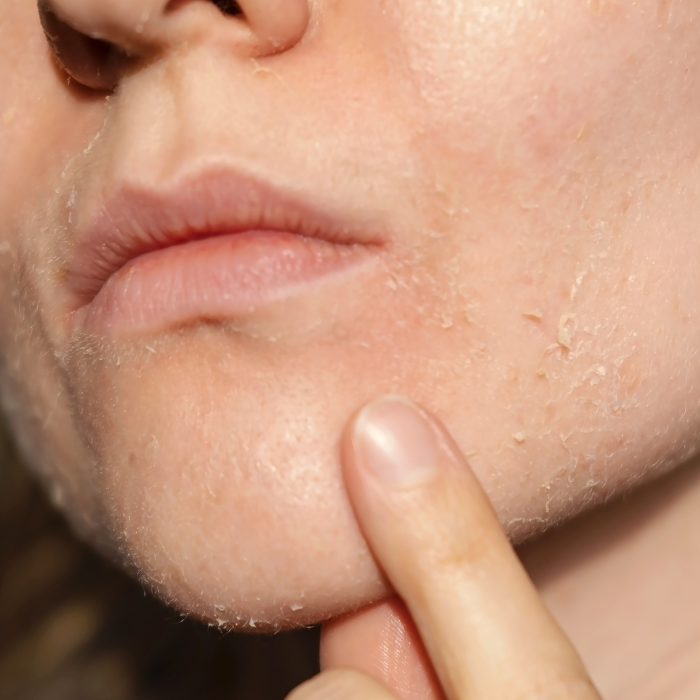
Tightness, flaking and rough texture are commonly associated with dry skin, but these symptoms don’t always indicate the same underlying problem. Naturally dry skin is generally associated with reduced surface lipid availability, while dehydration refers to insufficient water within the skin and can occur in both dry and oily skin types.
Skin barrier dysfunction introduces another consideration, affecting not only the skin’s ability to retain moisture but also its protection against environmental irritants. The stratum corneum normally limits excessive water loss through its carefully organised structure of skin cells and intercellular lipids. When this organisation becomes disrupted, transepidermal water loss can increase, leaving the skin more susceptible to irritation and inflammatory responses. As a result, the skin may feel tight, sting when products are applied, develop flaky areas or become unusually reactive to ingredients it previously tolerated. Importantly, these characteristics can overlap.
Someone may have naturally oily skin yet experience dehydration and impaired barrier function simultaneously. Another person may have dry skin without significant irritation or inflammatory activity. This explains why simply applying a richer moisturiser doesn’t always resolve the problem.
Humectants help attract and retain water, emollients improve skin smoothness, and occlusive ingredients help reduce moisture loss. Barrier-supporting formulations can also help replenish lipids and improve the condition of the stratum corneum. However, if the underlying problem involves persistent irritation, excessive exfoliation or an inflammatory skin condition, those contributing factors must also be addressed. The objective isn’t merely to make the skin feel moisturised temporarily. It’s to understand why the skin is struggling to maintain its normal condition.
Breakouts: What Is Actually Happening Inside the Follicle?
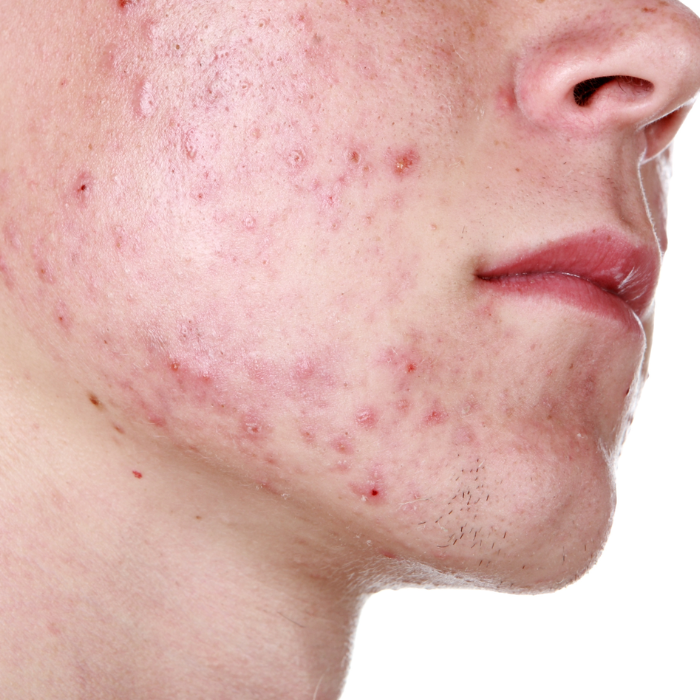
Acne and congestion are often treated as straightforward problems involving excess oil and blocked pores. In reality, acne development involves several interconnected biological mechanisms.
Within the pilosebaceous follicle, skin cells normally shed in a regulated manner while sebum travels towards the surface. When follicular keratinisation becomes altered, cells can accumulate and contribute to the formation of microcomedones, the earliest precursors of many acne lesions. Sebum production, inflammatory signalling and the activity of Cutibacterium acnes can all influence how these lesions develop.
Interestingly, inflammation isn’t simply a consequence of a spot becoming visibly red. Inflammatory activity can occur early in acne development, before an obvious blemish appears. This helps explain why treating only the spots visible on the surface may not adequately address the ongoing formation of new lesions. It also explains why excessive cleansing and exfoliation can be counterproductive, increasing irritation and compromising barrier function without correcting the underlying follicular processes. The situation becomes more complicated when acne coexists with another condition.
Someone experiencing acne alongside rosacea, for example, may have inflammatory papules, persistent redness, congestion and increased skin reactivity. Some treatments appropriate for comedonal acne may be poorly tolerated when significant rosacea-related sensitivity is present. And not every blemish is acne. Folliculitis, perioral dermatitis and other inflammatory conditions can produce acne-like eruptions while requiring entirely different management. Treating a spot is not necessarily the same as treating the condition responsible for producing it.
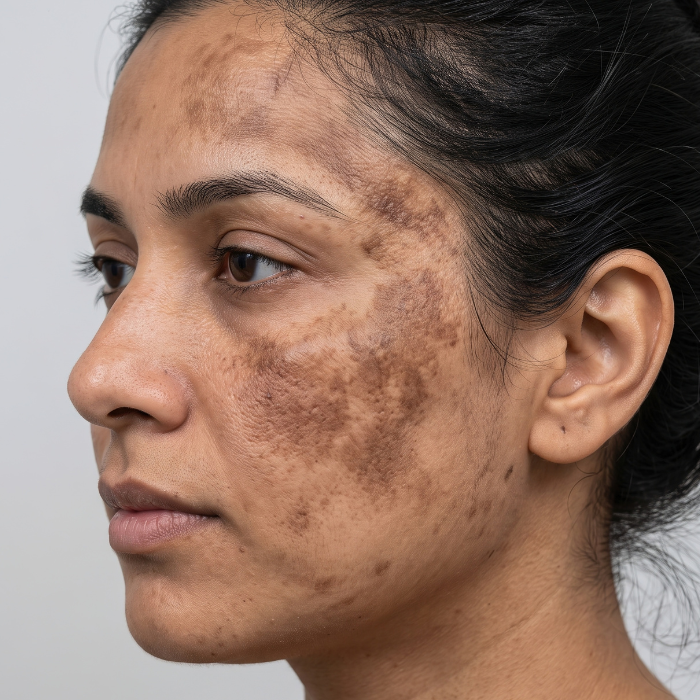
Pigmentation: Why Removing the Colour Doesn’t Always Resolve the Problem
Pigmentation is particularly interesting because what we see on the surface is the result of a highly regulated biological process. Melanin is produced by melanocytes within specialised structures called melanosomes. These pigment-containing structures are transferred to surrounding skin cells, contributing to the visible colour of the skin. Melanin production is influenced by several factors, including ultraviolet radiation, inflammatory mediators and hormonal signalling. When these pathways become overactive or dysregulated, areas of increased pigmentation may develop.
However, not all pigmentation behaves in the same way. Sun-induced lentigines are associated with cumulative ultraviolet exposure and localised changes in pigment production. Post-inflammatory hyperpigmentation develops following inflammation or injury, including acne, and may involve pigment within the epidermis, dermis or both. Melasma is considerably more complex. Its development can involve ultraviolet and visible light exposure, hormonal influences, vascular changes and interactions between melanocytes and surrounding skin cells. These differences have important implications for treatment.
A procedure that improves one type of pigmentation may be less appropriate for another. Furthermore, reducing visible pigment doesn’t necessarily eliminate the mechanisms responsible for its formation. This is one reason melasma can recur after apparently successful treatment, particularly when contributing factors remain active. It also explains why pigmentation management often requires ongoing photoprotection, carefully selected topical ingredients and a longer-term strategy rather than relying exclusively on an intensive resurfacing procedure. Successful treatment isn’t simply about making a dark patch lighter. It’s about identifying the type of pigmentation, understanding what contributes to its development and managing the factors that influence its persistence or recurrence.

Ageing: Not Every Visible Change Begins Within the Skin
Skin ageing is frequently discussed as though wrinkles, laxity, dryness and uneven texture are all manifestations of the same process. They aren’t. Age-related changes occur across multiple anatomical structures, including the epidermis, dermis, subcutaneous fat, facial musculature and underlying bone. Within the dermis, changes in collagen production and degradation, elastin organisation and extracellular matrix composition contribute to reduced structural resilience.
Repeated ultraviolet exposure accelerates many of these changes through oxidative stress and the activation of enzymes involved in collagen breakdown. Meanwhile, changes in epidermal renewal and barrier function can influence texture, hydration and skin comfort.
Hormonal changes, particularly declining oestrogen during menopause, can further influence dermal collagen, hydration and skin thickness. But not every visible sign of facial ageing originates within the skin itself. Changes in facial fat distribution, ligamentous support and underlying skeletal structures also influence facial contours, folds and perceived laxity. This distinction is important when considering treatment expectations.
A superficial resurfacing treatment may improve texture, pigmentation and certain fine lines, but it cannot reverse significant changes in facial fat distribution or skeletal support. Similarly, treatments intended to stimulate dermal remodelling may improve selected aspects of skin quality without producing the same effects as procedures that physically reposition deeper tissues. Understanding where a concern originates helps determine which treatments are likely to offer meaningful improvement and which expectations may be unrealistic.
When Several Skin Conditions Exist at the Same Time
Perhaps the most important consideration in advanced skin treatment is recognising that skin concerns rarely exist in isolation. A client may present with rosacea, inflammatory acne, comedonal congestion, dehydration, barrier dysfunction and age-related changes simultaneously. Each condition can influence the others, making treatment decisions considerably more complex. For example, someone experiencing persistent congestion may appear to be an ideal candidate for exfoliation or resurfacing. However, if that same person is experiencing significant inflammation and barrier impairment, introducing an intensive treatment immediately could increase irritation and reduce skin tolerance.
Likewise, concentrating entirely on calming inflammation may improve redness and discomfort without adequately addressing ongoing follicular congestion. The challenge isn’t simply identifying every concern. It’s understanding how those concerns interact and deciding what needs attention first.
Sometimes this means initially concentrating on inflammation control and barrier recovery before introducing more intensive treatments. At other times, several concerns can be addressed together using appropriately selected products and technologies. Treatment priorities may also change as the skin improves.
A client who initially struggles with significant inflammatory activity may later be able to tolerate interventions directed towards residual pigmentation, texture or visible signs of ageing. This is why managing complex skin conditions often requires reassessment and adaptation rather than following an inflexible sequence of procedures. The skin you begin treating may not be the skin you are treating six months later.
Why More Intensive Treatment Isn’t Always More Effective
There is a common assumption that stronger products, deeper exfoliation or more advanced technologies must produce better results. But skin physiology doesn’t work according to that principle.
Many professional treatments deliberately create a controlled biological response. Microneedling, for example, produces controlled microinjury that initiates wound-healing processes associated with tissue remodelling. Chemical exfoliation and resurfacing treatments influence the epidermis through mechanisms that vary according to the ingredients, concentration, formulation and treatment protocol. Energy-based technologies interact with tissue differently depending on the energy delivered, target structures and treatment parameters. These approaches can be valuable when appropriately selected, but the skin’s ability to respond and recover is an important consideration.
Skin experiencing active inflammation, substantial barrier disruption or certain underlying conditions may not respond favourably to additional stimulation. In some circumstances, allowing the skin time to recover and stabilise is more appropriate than immediately introducing another procedure. This doesn’t mean advanced treatments should be avoided.It means their effectiveness depends on selecting the right intervention, for the right skin, at the right time.
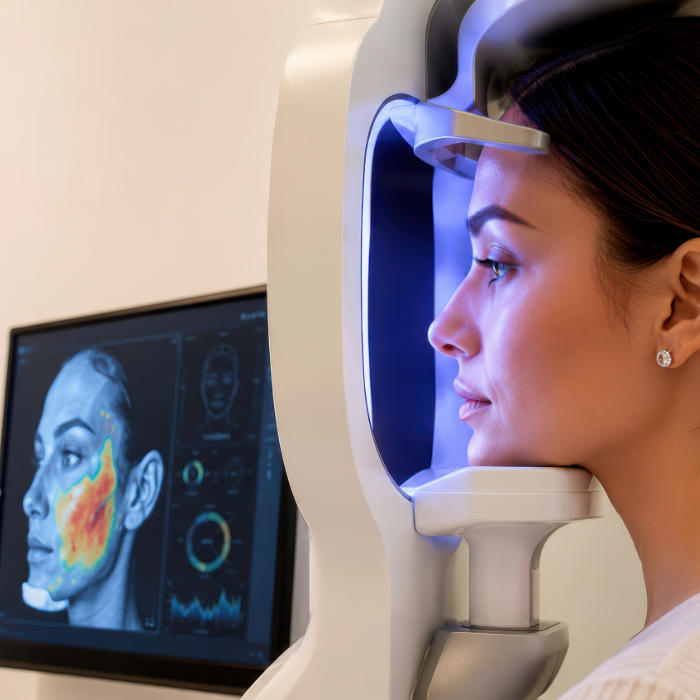
Understanding Your Skin Through Advanced Skin Analysis
A detailed skin analysis involves considerably more than identifying whether skin is dry, oily, sensitive or mature. Understanding your skin requires consideration of the skin’s current condition, previous treatment responses, skincare products, tolerance, environmental exposure and relevant health and lifestyle factors.
Advanced imaging technology can provide additional information by highlighting characteristics that may be difficult to appreciate under ordinary lighting. Depending on the system used, this may include pigmentation patterns, superficial redness, texture irregularities, pore appearance and features associated with ultraviolet exposure. These findings can be useful when establishing a baseline and monitoring visible changes over time. However, technology is only one part of the assessment.
An imaging system cannot independently establish whether someone has melasma, post-inflammatory hyperpigmentation or another pigmentary condition. Similarly, an image highlighting redness cannot determine whether its cause is rosacea, irritation or another inflammatory disorder. The information must be interpreted alongside the individual’s symptoms, history and clinical presentation. Certain concerns also require medical assessment, particularly when a lesion is new, changing or otherwise suspicious.
Technology can reveal additional characteristics of the skin, but understanding their significance requires professional knowledge, experience and appropriate clinical judgement. Skin analysis is not simply about identifying visible imperfections. It involves evaluating the relationship between skin structure, barrier function, inflammatory activity and individual characteristics to understand why particular concerns develop and how they may respond to treatment.
Personalised Skin Treatments: Treating the Skin, Not Just the Symptom
There is an important distinction between improving how skin looks and understanding why it looks that way. Both matter. Visible improvements in redness, texture, pigmentation and breakouts can have a considerable effect on confidence and quality of life. However, when treatment focuses exclusively on surface appearance, the underlying factors contributing to those concerns may remain unaddressed.
A moisturiser may temporarily relieve tightness without resolving persistent irritation. An exfoliating product may improve surface texture without addressing recurring congestion. A pigmentation treatment may lighten dark patches while the mechanisms responsible for pigment production remain active. This is why the most appropriate treatment isn’t always the one that targets the most obvious symptom.
Effective skin treatment requires an understanding of how different biological processes interact, which concerns should take priority and how the skin is likely to respond. At The Beauty Bistro, personalised skin treatments begin with understanding your skin as a whole, rather than approaching individual concerns in isolation. I consider your skin’s current condition, underlying characteristics, treatment history, tolerance and the factors influencing its behaviour. This allows me to select and adapt treatments according to your skin’s individual requirements, rather than following a predetermined protocol.
Because the most important question isn’t always what is happening to your skin. It’s why.