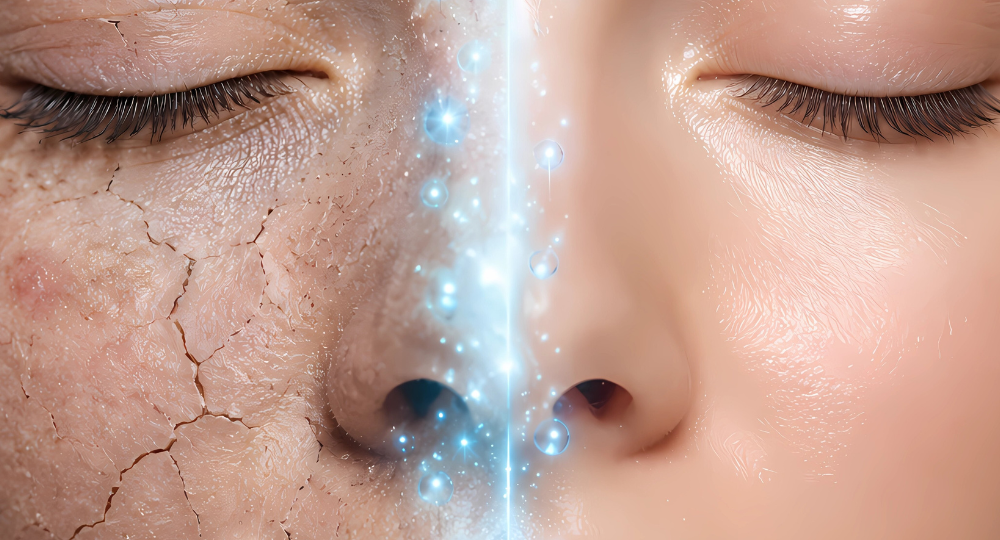
Why Drinking Water Does Not Automatically Hydrate the Skin
The Truth About Skin Hydration – “Drink more water” is one of the most commonly repeated pieces of skincare advice, often presented as the solution for dry, dull or dehydrated skin. While adequate hydration is essential for overall health and normal physiological function, the relationship between water intake and skin hydration is far more complex than many people realise.
In the clinic, it is extremely common for me to hear comments such as, “I’ve been drinking loads of water, but my skin still feels dry,” or “My skin is dehydrated, I need to drink more water.” This is because skin hydration is not determined simply by how much water enters the body. It depends largely on the skin’s ability to retain water effectively and maintain a healthy barrier function.
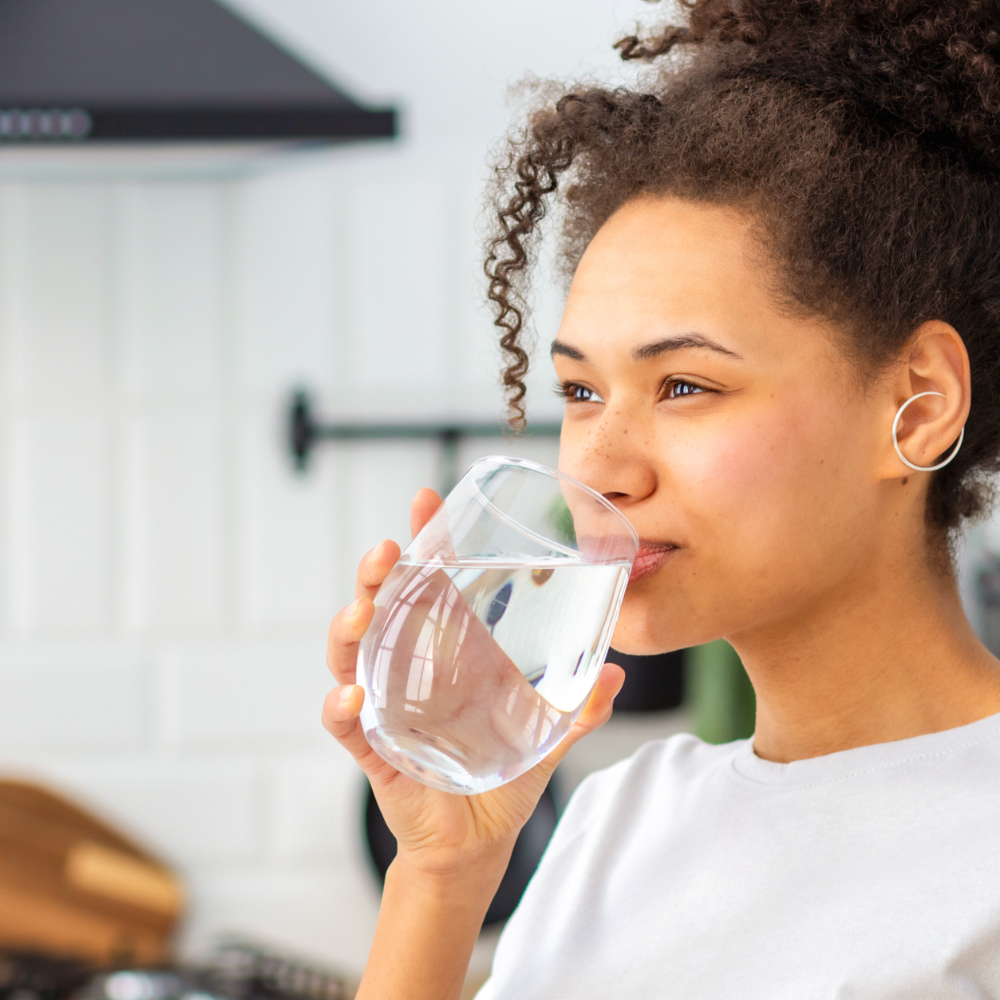
The body tightly regulates water distribution to maintain normal physiological processes. Simply increasing water intake does not necessarily increase the water content of the skin’s outer layers. For individuals who are already adequately hydrated, drinking more water alone is unlikely to produce dramatic visible improvements in skin hydration.
Healthy skin hydration depends heavily on the condition of the skin barrier.
The outermost layer of the skin, known as the stratum corneum, acts as a highly organised protective barrier. Its role is not only to defend against external aggressors but also to regulate water balance and minimise excessive evaporation through a process known as transepidermal water loss (TEWL).
TEWL is a normal physiological process in which small amounts of water naturally evaporate from the skin throughout the day. However, when the barrier becomes impaired, water escapes more rapidly than the skin can effectively retain it. This can lead to dehydration, tightness, dullness, increased sensitivity and reduced skin resilience.
This is one reason dehydrated skin is often not simply a “lack of water” problem but a barrier-function problem.
Many factors can disrupt barrier integrity and increase transepidermal water loss, including:
• Excessive exfoliation
• Overuse of acids and retinoids
• Harsh cleansers
• UV exposure
• Environmental stress
• Inflammation
• Hormonal changes
• Ageing
• Aggressive treatment approaches
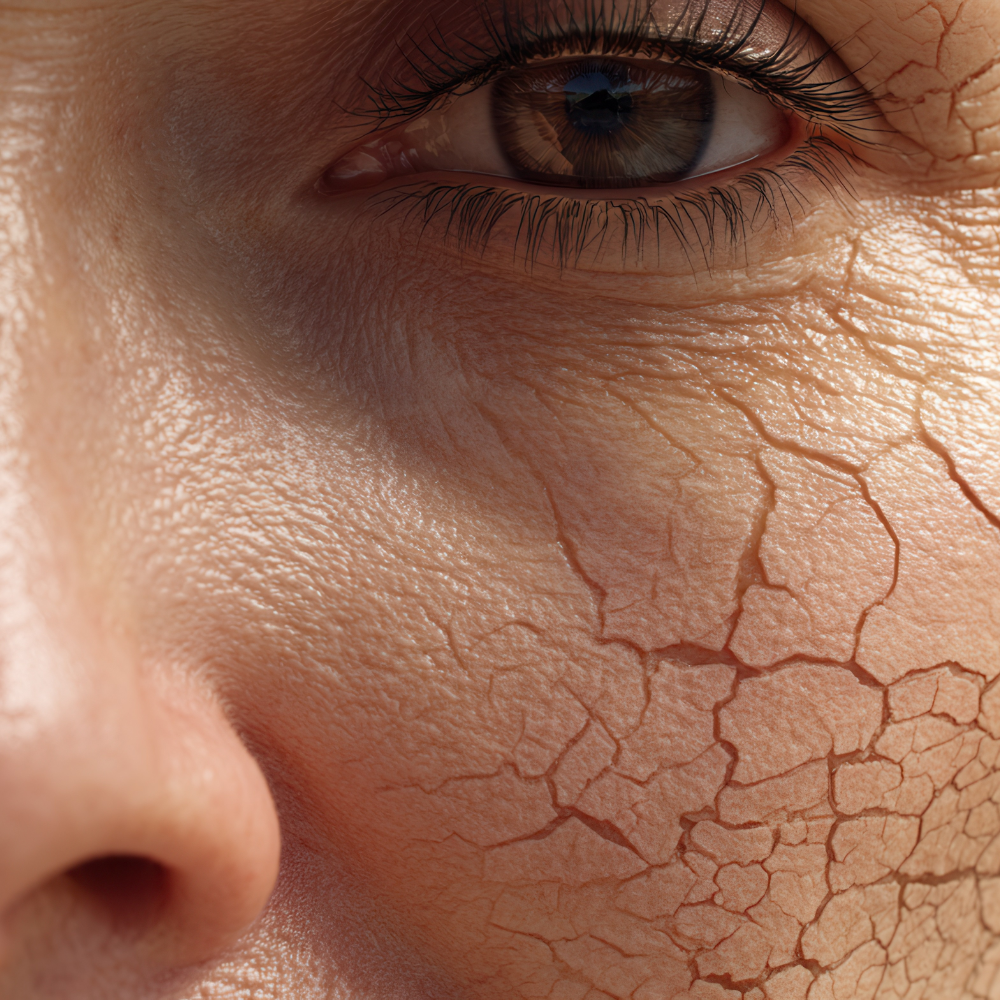
Modern skincare routines can unintentionally contribute to dehydration. The growing popularity of strong active ingredients, daily exfoliation and complex product layering has led many people to unknowingly compromise their barrier function in pursuit of faster results.
While acids, retinoids and resurfacing ingredients can offer significant clinical benefits when used appropriately, excessive or poorly managed use may weaken the skin’s protective structure and increase water loss faster than the skin can replenish itself.
This is why some individuals experience oily yet dehydrated skin simultaneously.
Dry skin and dehydrated skin are not the same condition. Dry skin refers to a lack of oil or lipid content within the skin, whereas dehydrated skin refers specifically to a lack of water. A person can produce excess oil while still experiencing significant dehydration if the barrier cannot regulate water retention effectively.
The skin relies on a complex mixture of lipids, including ceramides, cholesterol and fatty acids, to maintain barrier integrity and reduce water evaporation. These lipids act like mortar between bricks, helping to seal the surface and support normal barrier performance.
As we age, production of these structural lipids naturally declines. Menopausal skin, in particular, often demonstrates increased transepidermal water loss, impaired barrier recovery, and reduced lipid content, making dehydration significantly more common even when fluid intake is adequate.
Inflammation also plays a major role in skin hydration. Chronically inflamed skin frequently struggles to regulate itself efficiently. Inflammatory skin conditions such as rosacea, acne and sensitised skin often coexist with dehydration because inflammation impairs barrier repair mechanisms and disrupts normal water retention within the epidermis.
Environmental exposure further compounds the issue. Central heating, air conditioning, pollution, cold weather and UV radiation can all accelerate water loss from the skin. Frequent cycles of wetting and drying, such as repeated washing or prolonged water exposure, may also contribute to barrier disruption in susceptible individuals.
True skin hydration relies on far more than water intake alone. Healthy hydration requires:
• Effective barrier function
• Balanced lipid content
• Proper cellular turnover
• Reduced inflammation
• Natural moisturising factors (NMFs)
• Appropriate skincare support
Professional skincare formulations improve hydration by supporting barrier function, attracting water into the skin and reducing excessive water loss. Ingredients such as ceramides, essential fatty acids, hyaluronic acid and barrier-supporting formulations help strengthen barrier integrity and improve water retention when incorporated appropriately into a structured treatment plan.
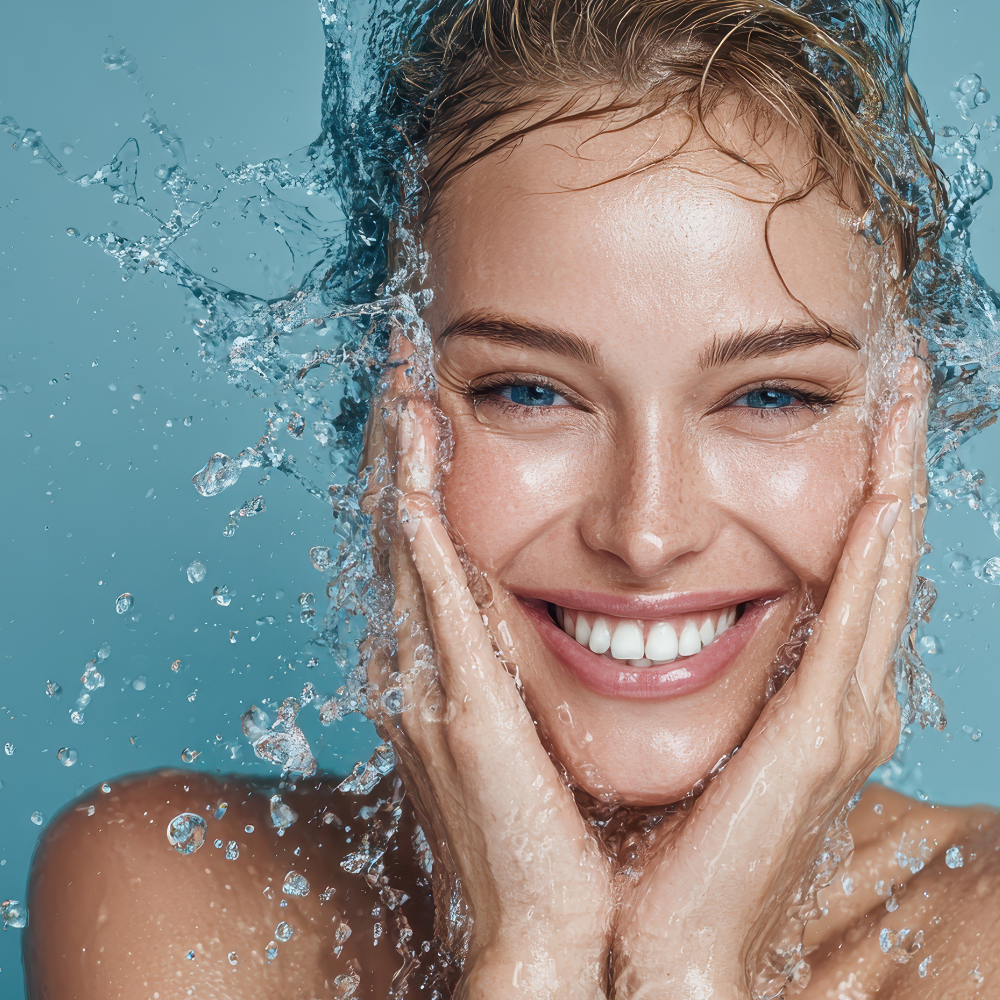
Signs of dehydrated skin may include:
• Tightness after cleansing
• Dull or lacklustre appearance
• Increased sensitivity
• Fine dehydration lines
• Makeup sitting unevenly
• Reactive skin behaviour
• Excess oiliness combined with tightness
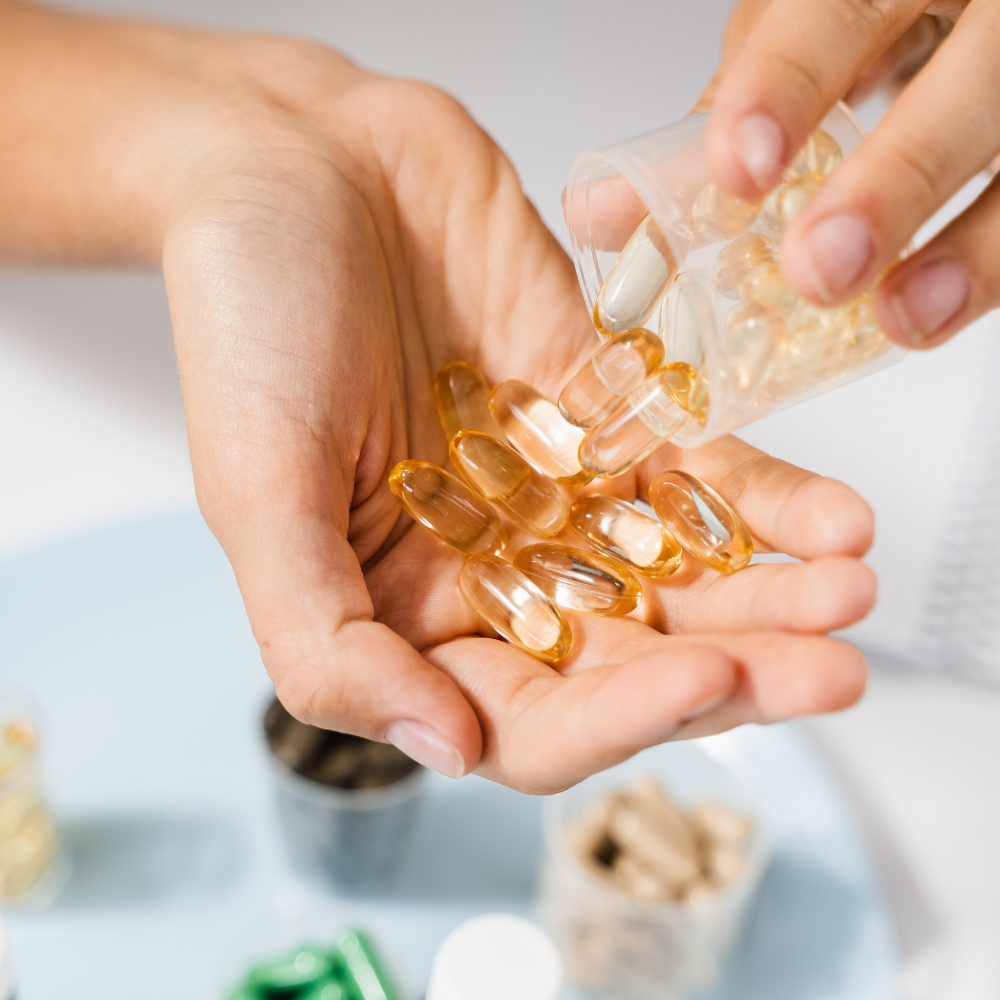
Nutritional support also influences hydration levels within the skin. One reason essential fatty acids are often recommended for dehydrated, dry, reactive, or menopausal skin is that the skin barrier itself is partly composed of lipids.
The skin relies on a balanced mixture of ceramides, cholesterol and fatty acids to maintain structural integrity and reduce excessive transepidermal water loss. Omega-3 and omega-6 fatty acids help maintain this lipid barrier, helping the skin retain water more effectively and supporting overall barrier resilience.
Emerging evidence suggests that Omega-3 fatty acids can also help support barrier function and regulate inflammatory pathways that influence skin health. This may be one reason some individuals notice improvements in skin comfort, reactivity and dehydration when barrier support is addressed both topically and internally.
Supporting the body with good-quality fatty acid supplements, alongside appropriate skincare and professional treatment, helps to improve overall skin function and resilience over time.
Healthy skin hydration ultimately relies on more than water alone. The skin requires both adequate water content and a functional lipid structure to maintain hydration effectively. Without sufficient barrier support, water escapes from the skin too rapidly to maintain balanced hydration.
The idea that dehydrated skin can simply be corrected by drinking more water dramatically oversimplifies skin physiology. While hydration is essential for overall health and removing toxins, skin hydration is influenced by barrier integrity, inflammation, lipid composition, hormonal status, environmental exposure, and overall skin function.
Ultimately, hydrated skin is less about how much water enters the body and more about how effectively the skin can hold onto it.
If you are struggling with your skin, book your in-clinic consultation or alternatively, my online consultation.