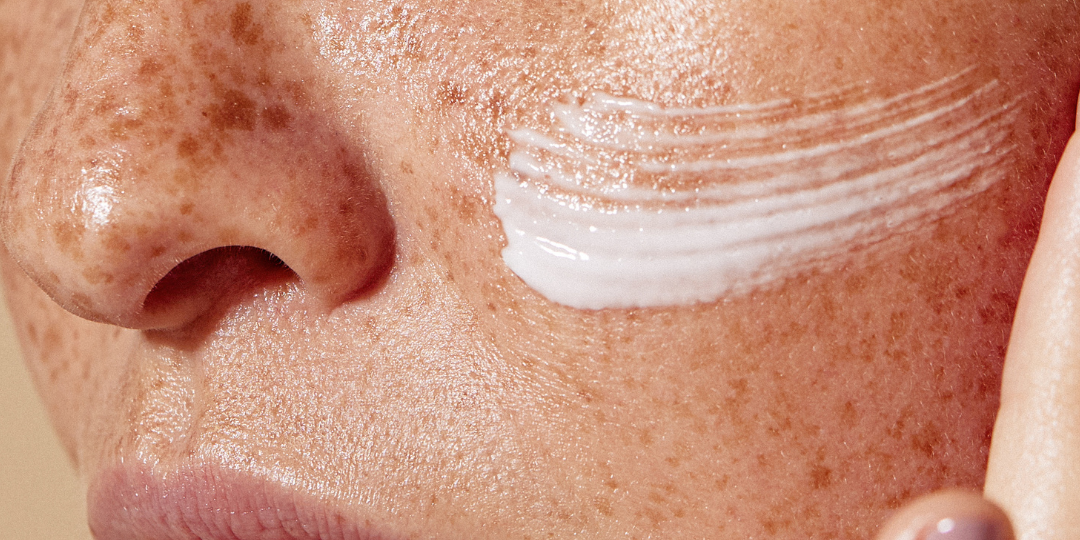
Why Skin Results Plateau and What It Really Means for Your Skin
Many clients reach a point in their skin journey where progress and skin results appear to stall. The routine is consistent, treatments are regular, and products are being used correctly, yet the skin no longer seems to improve. This can be frustrating and often leads people to assume that a product has “stopped working” or that their skin has become resistant. In reality, a plateau in skin results is not a failure of treatment. It is a signal that the skin has adapted and may now require a different strategy.
Understanding why plateaus occur is key to achieving long-term skin health rather than chasing short-lived improvements.
Skin Is Adaptive by Nature
The skin is a living, responsive organ designed to adapt to its environment. When a new skincare routine or treatment protocol is introduced, the skin often responds quickly. Barrier function improves, inflammation reduces, hydration increases, and cell turnover becomes more efficient. This early phase of improvement and skin results can feel dramatic.
However, once the skin reaches a new baseline of function, it stabilises. At this point, the same stimulus no longer creates visible change because the skin has already adapted. This does not mean the routine has stopped being beneficial. It means it is now maintaining rather than driving further improvement.
Maintenance is valuable, but it should not be mistaken for progression.
Barrier Improvement Can Mask Ongoing Progress
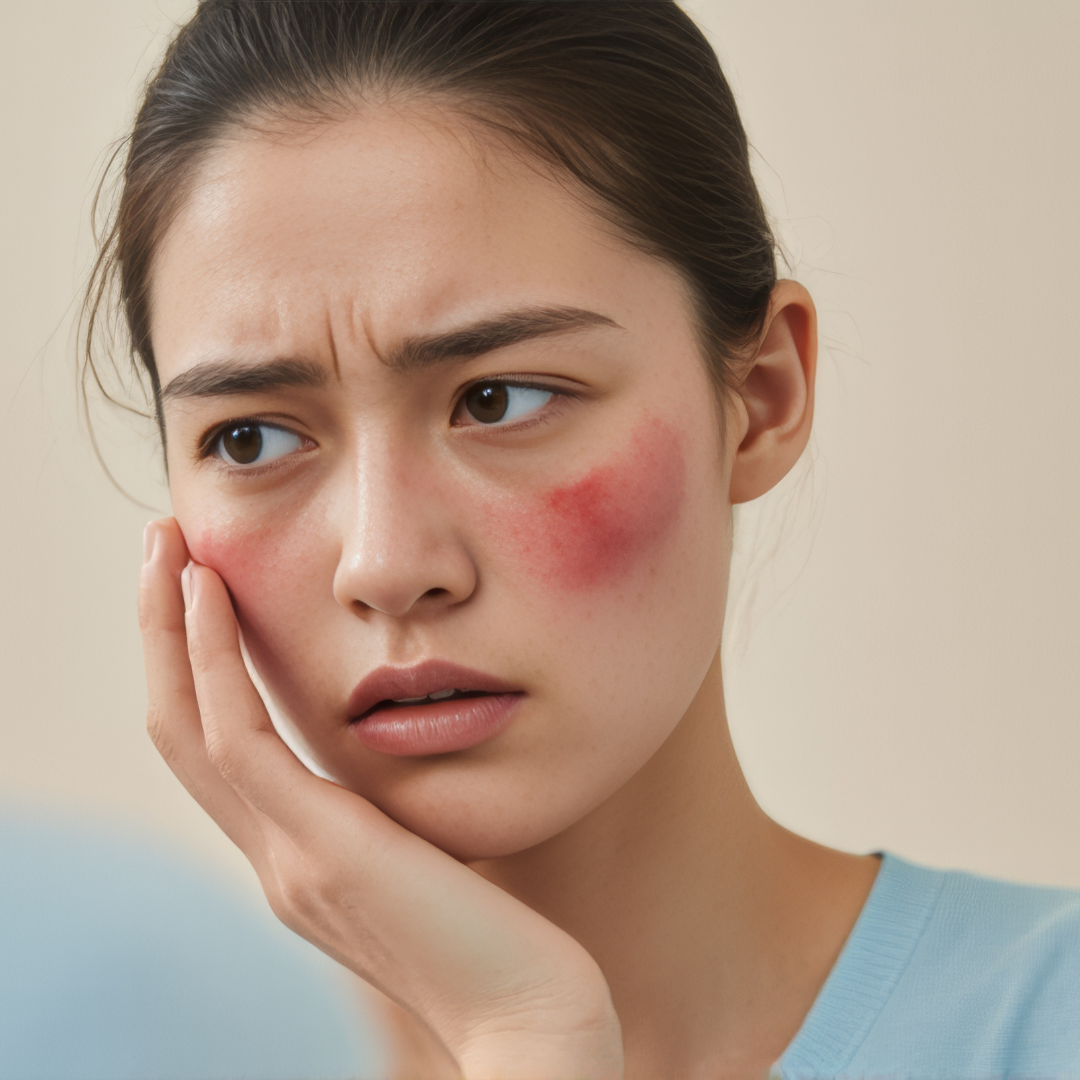
One of the most common reasons results appear to plateau is that the most visible issues have already been addressed. Barrier repair often delivers the fastest improvements. Redness reduces, sensitivity calms, and texture becomes smoother. Once this foundational work is complete, further changes occur more slowly and often at a deeper level.
Collagen remodelling, pigment regulation, vascular stability, and immune modulation take time. These processes are not always immediately visible, but they are essential for long-term skin resilience. Clients may feel “nothing is happening” when in fact the skin is stabilising and strengthening beneath the surface.
Inflammation Can Hold Skin in a Standstill
Low-grade, ongoing inflammation is one of the most common causes of stalled skin results. This may not present as obvious irritation. Instead, the skin may look dull, uneven, reactive, or prone to recurring congestion or redness.
Inflammation can be driven by many factors, including stress, hormonal change, poor sleep, nutritional imbalance, overuse of active ingredients, or frequent switching of products. In these cases, adding stronger treatments or more actives often worsens the problem rather than resolving it.
Until inflammation is addressed, the skin will prioritise survival over regeneration, limiting its ability to respond to treatment or product.
Over-Treatment Is a Hidden Cause of Plateaus
In a culture that encourages constant exfoliation and high-strength actives, many skins plateau because they are doing too much rather than too little. Continuous stimulation without adequate recovery can exhaust the skin and its repair mechanisms.
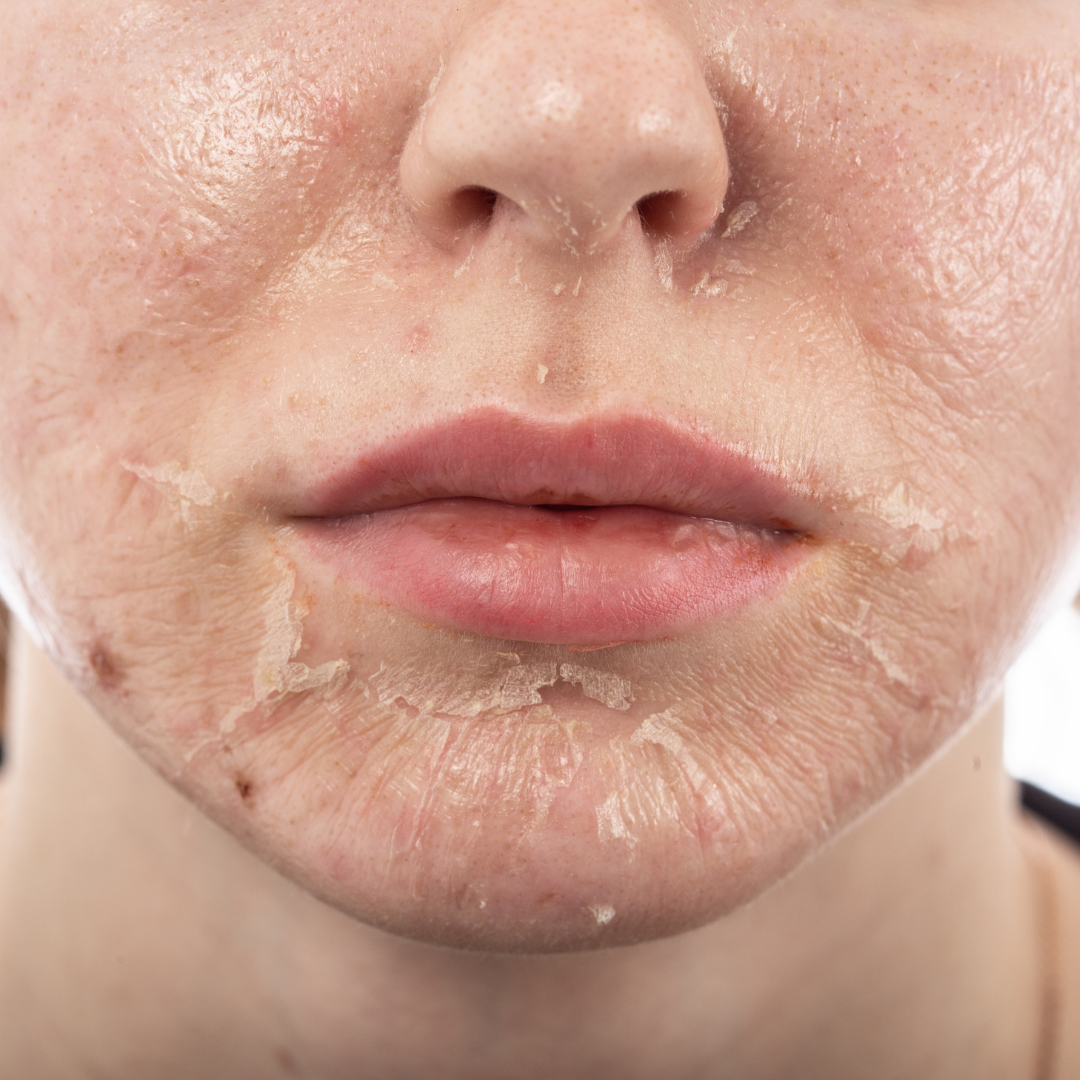
Signs of over-treatment include persistent redness, tightness, increased sensitivity, breakouts that do not resolve, and a general lack of glow despite an otherwise “good” skin routine. In these cases, the skin is stuck in a cycle of injury and repair, with no opportunity to progress.
Strategic rest phases, barrier-focused care, and simplified routines often restart progress more effectively than adding new products.
Internal Factors Change the Skin’s Response
Skin does not exist in isolation. Hormonal shifts, particularly during perimenopause and menopause, can significantly alter how skin responds to treatments that once worked well. Changes in oestrogen levels affect collagen production, vascular function, pigmentation control, and healing speed.
Similarly, nutritional status, fatty-acid balance, gut health, and chronic stress all influence inflammation and cell function. When internal factors shift, external treatments must be adjusted accordingly. Skin results may simply reflect that the skin’s internal environment has changed and the existing protocol no longer matches its needs.
Skin Needs Reassessment, Not Escalation
When progress stalls, the instinct is often to escalate. Stronger treatments, higher percentages with peels, more frequent treatments. Clinically, this is rarely the correct first step.
A plateau is best addressed through reassessment. This includes reviewing barrier health, inflammatory load, lifestyle influences, treatment frequency, and product suitability. Often, small refinements rather than dramatic changes unlock further improvement.
This may involve rotating actives, adjusting treatment intervals, introducing recovery-focused modalities, or addressing internal contributors alongside topical care.
Long-Term Skin Health Is Not Linear
Skin results and improvement do not follow a straight upward line. There are periods of visible change, periods of stabilisation, and times when the focus should shift from improvement to protection and preservation.
Understanding this prevents unrealistic expectations and unnecessary intervention. A plateau does not mean treatment has failed. It often means the skin has reached a healthy equilibrium and now requires a new phase of care to move forward.
The Role of Professional Guidance
One of the key benefits of working with a qualified skin practitioner is the ability to recognise when skin results have plateaued and why. Protocols should evolve as the skin evolves. What worked six months ago may not be appropriate now, even if the skin appears similar on the surface.
Professional skin care is not about constant escalation. It is about intelligent progression, timing, and respect for the skin’s biology.
Skin results plateau because skin adapts, stabilises, and responds to internal and external influences that change over time. Plateaus are not a sign to give up or overload the skin. They are an invitation to reassess, refine, and support the skin in different ways.
True skin health is built through phases of improvement, consolidation, and renewal. When those phases are understood and respected, progress continues, even when it is not immediately obvious.
A professional skin consultation at The Beauty Bistro allows me to review barrier health, inflammatory load, lifestyle influences, hormonal factors, and your current routine as a whole. From there, I can refine your treatment plan, adjust timings, and ensure your skincare strategy continues to support long-term skin health rather than short-term correction.
If you feel your skin results have reached a standstill or no longer respond as they once did, you are welcome to book a complimentary skin consultation. This provides an opportunity to reassess your skin, discuss your goals, and create a more appropriate plan for the next phase of your skin journey. Book your consultation today