
The Fatty Acid Balance That Can Transform Your Health And Skin!
When we think about what keeps us healthy, most of us picture vitamins, minerals, exercise, or even a good night’s sleep. But one of the most powerful influences on how we look and feel is something far simpler: the balance of fats in our bodies. In particular, the relationship between two essential fats, omega-6 and omega-3, has a significant impact on various aspects, including skin health, mood, hormones, heart function, and ageing, to name but a few.
Both omega-6 and omega-3 are “essential,” which means our bodies can’t make them on their own. We have to get them from food or nutritional oral supplementation. The problem is not that omega-6 is “bad” and omega-3 is “good.” The problem is imbalance. For our cells to thrive, we need a healthy ratio of both, yet the modern diet has tipped the scales heavily in favour of omega-6.
Why omega-6 often dominates today’s lifestyle
It’s surprisingly easy to consume large amounts of omega-6 without realising it. Everyday items such as, but not limited to, sunflower oil, corn oil, vegetable oils, crisps, biscuits, processed bread, ready meals, and even “healthy” snack bars are high in omega-6. Decades ago, our ancestors ate closer to a 1:1 ratio of omega-6 to omega-3, thanks to diets rich in fish, nuts, seeds, and unprocessed whole foods. Today, the average person in the Western world may be consuming an omega-6 to omega-3 ratio closer to 15:1, sometimes even 20:1 or much higher.
This imbalance matters because studies show omega-6 has a pro-inflammatory effect when consumed in excess. Inflammation is the body’s natural defence mechanism, useful for short bursts when healing from an injury or fighting infection. However, when inflammation becomes chronic, it gradually erodes health, often without any initial apparent symptoms.

The silent impact of too much omega-6
An inflated intake of omega-6 fatty acids creates a constant background of low-grade inflammation in the body. You may not notice it right away, but over time, it affects multiple systems. Joints can feel stiff, muscles can ache, energy levels can dip, and the skin becomes more prone to breakouts, redness, or flare-ups of eczema, psoriasis, and rosacea. Inside the body, this inflammatory state puts pressure on the cardiovascular system, increases oxidative stress, disrupts hormone balance, and hinders cells’ ability to repair themselves efficiently.
Research has linked high omega-6 intake to insulin resistance, weight gain, increased menopausal symptoms and an increased risk of cardiovascular issues. It can even affect mood, with studies suggesting that excess omega-6 contributes to feelings of anxiety or low resilience to stress. Put simply, when omega-6 fatty acids outweigh omega-3 fatty acids, the body becomes primed for imbalance.
Why omega-3 is so protective
Omega-3 works as a natural counterbalance. It is anti-inflammatory, soothing the body’s systems and helping to bring everything back into alignment. Omega-3 strengthens cell membranes, supports brain and heart health, regulates hormones, and plays a crucial role in skin structure. It helps skin hold moisture more effectively, reduces sensitivity, and keeps it supple and radiant.
The challenge is that when omega-6 fatty acids dominate the diet, omega-3 fatty acids cannot work to their full potential. Your body needs both, but excessive intake of one can block the benefits of the other. That’s why many people find that even when they try to eat “healthily,” they still can’t lose weight easily. Low-grade inflammation interferes with insulin signalling and makes fat cells more prone to storing energy rather than burning it. At the same time, you may notice other signs that your body is out of sync, such as low energy, brain fog, or skin that never quite feels clear, hydrated and calm. Restoring the right balance between omega-6 and omega-3 helps your body switch back into repair mode, making it easier to feel lighter, clearer, and more energised.
Why most omega oils lose their power when “cleaned”
This may be something that many people don’t realise: when omega oils are refined/cleaned to make them purer and free from contaminants, they lose much of what makes them truly powerful. During this refining/cleaning process, the oil is stripped of natural compounds called polyphenols.
Polyphenols are plant-based antioxidants that protect delicate omega-3 fats from breaking down. They don’t just stabilise the oil in the bottle or capsule; they also protect omega-3 inside your body, ensuring it gets delivered reliably and safely to your cells. When polyphenols are removed during the refining/cleaning process, the result is a “clean” oil that may look pure but is actually fragile, unstable, and less effective. This is why many standard omega-3 supplements often fail to deliver the results people may expect.
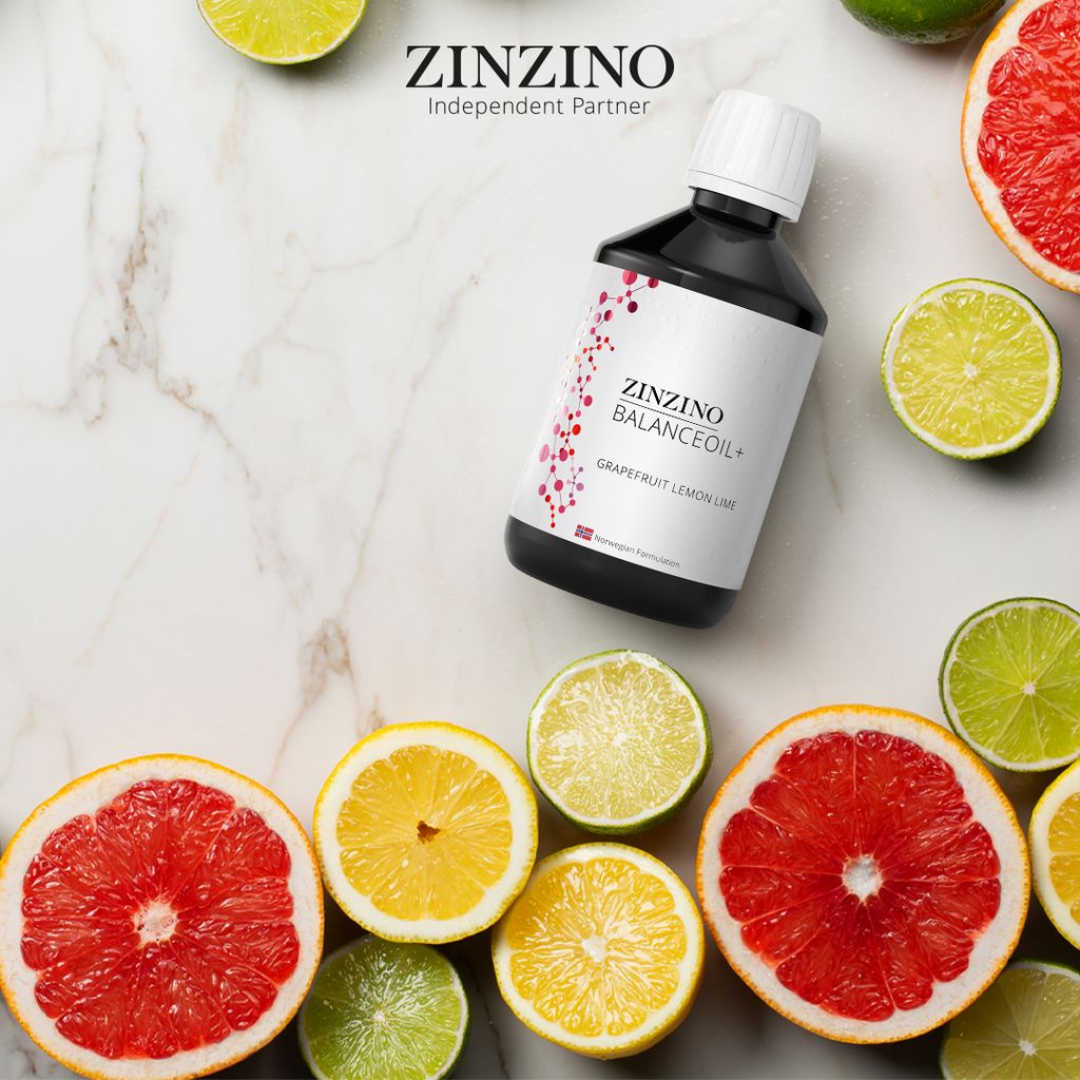
How Zinzino Balance Oil does it differently
Instead of leaving omega-3 unprotected after refining/cleaning, Zinzino blends it with cold-pressed extra virgin olive oil made from Spanish Picual olives. These are harvested early (before full ripening), which ensures an exceptionally high polyphenol content, more than 750 mg/kg. These polyphenols include hydroxytyrosol, tyrosol, oleocanthal, and oleuropein, all of which are potent antioxidants.
Balance Oil isn’t just omega-3; it’s omega-3 delivered in the way your body can actually use it.
Learn more about Zinzino Balance Oil ingredients
Learn more about Zinzino Balance Oil VEGAN
Learn more about Zinzino for every stage of motherhood
What happens when you restore balance
Clinical, epidemiological, and mechanistic evidence support the idea that a lower omega-6-to-higher omega-3 balance is associated with better health outcomes. Balancing the omega-6 to omega-3 ratio is not about eliminating omega-6 entirely, but about shifting the scales back to a healthier balance. When you do, the changes can be transformative. Chronic inflammation begins to subside, which relieves pressure on the immune system and enables the body to repair itself more effectively. Skin becomes calmer, more resilient, and noticeably brighter. Many people report that dryness, irritation, and redness are reduced, and that their complexion looks fresher and healthier.
Beyond the skin, the benefits extend across the entire body. Energy levels rise, concentration improves, and mood feels more stable and in some cases, lifted. The heart and circulatory system function more efficiently, blood pressure is easier to regulate, and joints often feel looser and less stiff. Recovery after exercise becomes quicker, sleep quality improves, and a general sense of vitality builds steadily over time.
Why testing your ratio matters
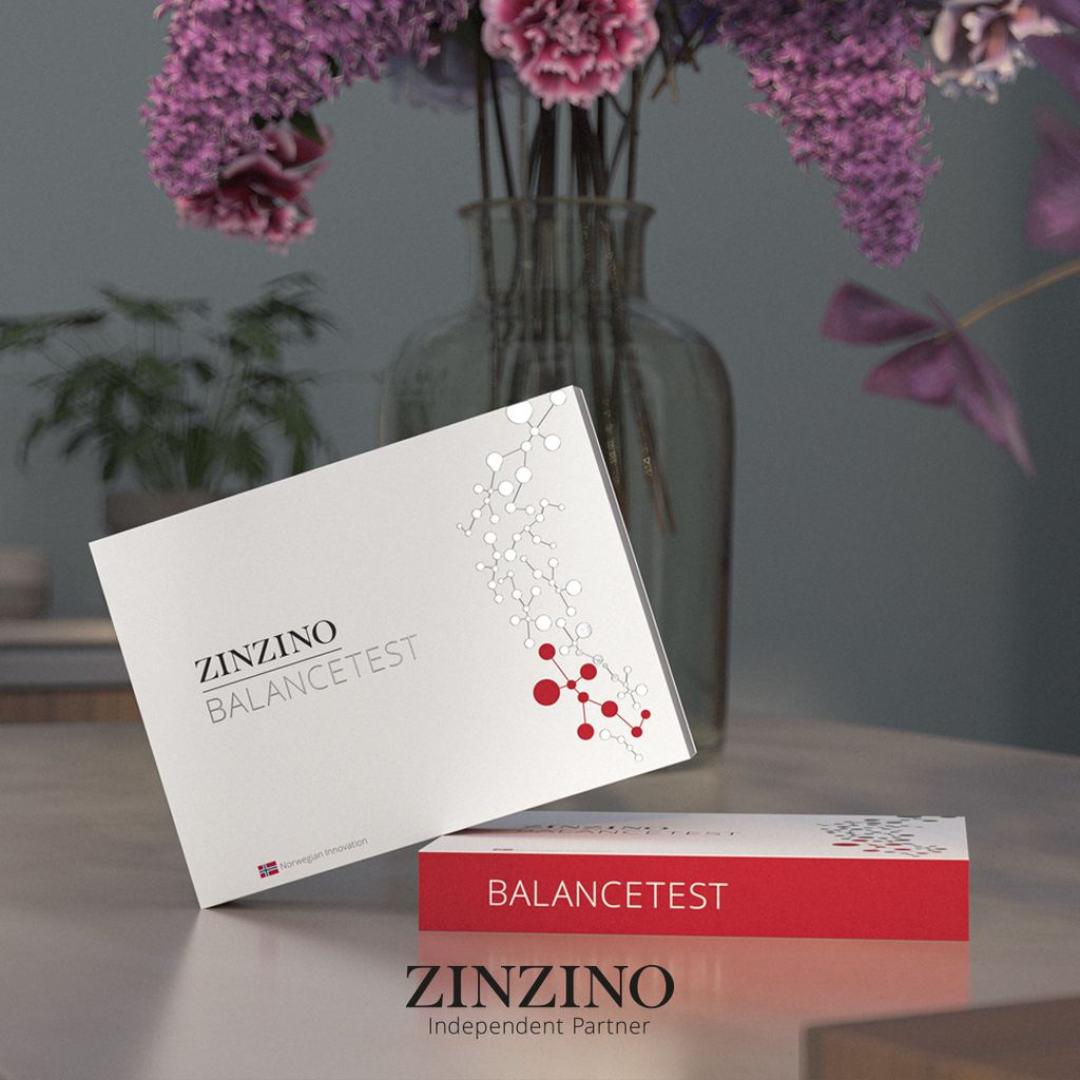
One of the simplest yet most powerful steps you can take is to measure your omega-6 to omega-3 ratio. Rather than guessing, a quick finger-prick blood test can show you exactly where your balance lies. From there, you can take targeted steps to improve it, with scientifically backed supplementation such as Zinzino Balance Oil.
The good news is that the ratio can change relatively quickly. Within around 120 days, the lifespan of a red blood cell, the fatty acid profile in your body can shift, meaning you should be able to see and feel tangible results. That’s why follow-up testing is so useful: it gives clear evidence of how your efforts are paying off.
Find out more about the Zinzino Balance Test
Creating harmony inside and out
Ultimately, restoring balance between omega-6 and omega-3 is not about chasing quick fixes but about supporting your body in the way it was designed to function. When the scales are tipped towards harmony, every cell benefits. You move from a state of silent inflammation to one of calm regeneration. You give your body the conditions it needs to heal, protect, and thrive.
If you’ve been struggling with persistent skin concerns, low energy, or simply feeling that your body is “out of sync,” your omega ratio may be playing a bigger role than you realise. By testing, understanding, and rebalancing, you’re investing in the kind of long-term vitality that shows not just in your skin, but in every part of your wellbeing.
An insight –
-
Khan et al. (2021) – Lancet Meta-analysis of 38 Clinical Trials
An extensive review found that individuals who increased their omega-3 intake had a lower risk of dying from heart disease and experienced better overall cardiovascular health. -
Chao et al. (2024) – Meta-analysis in Coronary Artery Disease Patients
In individuals with existing heart disease, omega-3 supplementation has been shown to reduce deaths, heart attacks, and hospital stays — highlighting its significant role in protecting the cardiovascular system. -
Clinical Trial NCT00987129 – Omega-6 : Omega-3 Ratio and Eye Health
This study is investigating whether improving the fatty acid ratio can slow the progression of age-related macular degeneration, a condition associated with ageing. -
Ramsden et al. (2013) – Dietary Intervention Trial
Researchers reduced the intake of omega-6 while increasing the intake of omega-3 in participants’ diets. The result? The reduction in inflammation and improvement in pain symptoms demonstrate the significant impact of fatty acids on body inflammation. -
Aronson et al. (2025) – Low Omega-6, High Omega-3 in Prostate Cancer Patients
Men placed on a diet with more omega-3 and less omega-6 had measurable changes in a biomarker of prostate cancer cell growth, suggesting that the balance of fats may even influence how illnesses progress.
More information on the Zinzino Balance Test and Zinzino Balance Oil
If you have any questions or need any further assistance, please email me at bev@newtbb-co-uk.lhr.stackstaging.com