


Skin and skincare myths: what to believe? – In the world of skincare, advice is everywhere — from TikTok trends and beauty influencers to well-meaning friends and old wives’ tales. However, not all of it is rooted in science, and unfortunately, a significant portion does more harm than good.
As a skin specialist, I regularly hear people repeat the same myths and misconceptions, which can unknowingly be sabotaging their skin. These beliefs can delay results, damage the skin barrier, or cause frustration when products and treatments fail to deliver on their promises.
The truth is, good skincare isn’t about chasing quick fixes or copying someone else’s routine, or listening to influencers, who generally get paid for their ‘influence’ — I won’t even mention the ongoing ‘glass facial craze’ 🙄, it’s about understanding your skin, using evidence-based skincare products and treatments, and letting go of outdated or misleading advice. Let me clear up some of the confusion and debunk five of the most common skincare myths that I frequently encounter.

Myth 1: “I’ve been told I have to exfoliate multiple times a week”
No, you really don’t! Even if every man and his dog are telling you, you should!
Honestly, this is one of the biggest skin and skincare myths I come across (being trained in the methodology of corneotherapy also helps). I can’t tell you how often I read a new client’s consultation form and find, as an example, they’re using an exfoliating cleanser twice a day, layering on products with AHAs or BHAs, following with a potent vitamin A’s (which is exfoliating in its own right), and then topping it all off with an acid-based mask or a scrub a few times a week, and arrive with skin that feels tight, looks dull, or is constantly irritated or red. It’s so so common.
Here’s the thing: those skin conditions are almost always a classic case of over-exfoliation. The skin’s barrier ends up compromised, and instead of glowing, you get inflammation, sensitivity, dehydration, and sometimes even breakouts. Dead skin cells are there for a reason: to protect the immature skin cells underneath, which are not yet fully developed and therefore not yet capable of protecting us from UV radiation and pollution. If dead skin cells weren’t necessary, we wouldn’t have them!
Exfoliation isn’t always better. In fact, most skin types thrive on a far more gentle, strategic approach. Your skin needs time to repair, rebalance, and restore its natural function — and that means less exfoliating, not more.
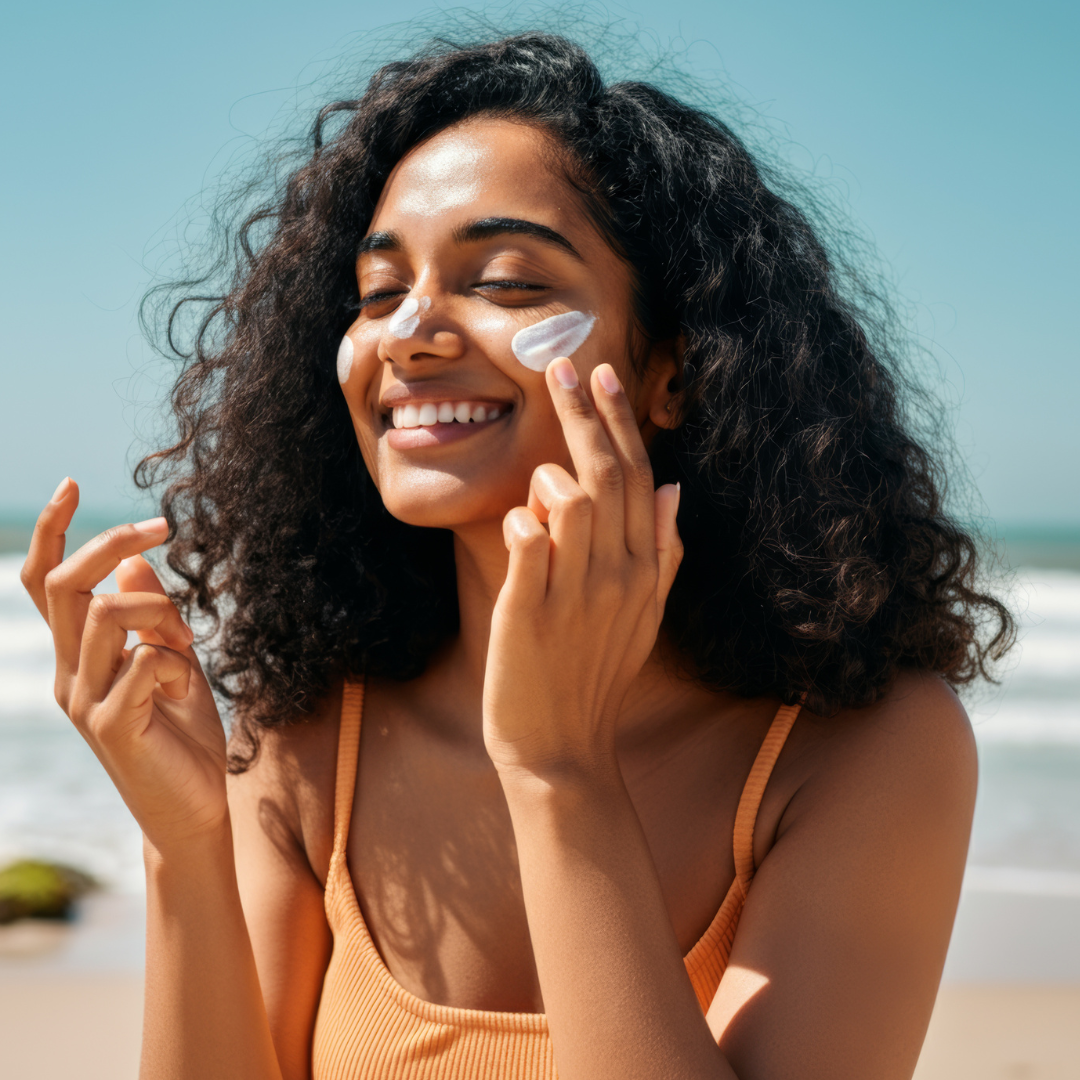
Myth 2: “I don’t need sunscreen if it’s cloudy, or it’s winter”
This myth comes up regularly — especially here in the UK! Most people focus on UVB rays, which are burn rays that are around us only when the sun is out, but UVA rays (the ageing ones) are present year-round from dawn till dusk, even when it’s cloudy or raining.
UVA rays penetrate deeper into the skin than UVB rays, and UVA pass through glass, cloud, and rain, contributing to premature ageing, unwanted pigmentation, and, yes, even skin cancers.
A broad-spectrum SPF is a daily essential, not just a holiday extra when the sun shines. While we are on this subject, consider the damage caused by blue light from mobile phones, TV screens and computers. Sitting in front of a computer for hours a day can cause damage to the skin if it is not protected. Get that SPF protection on!
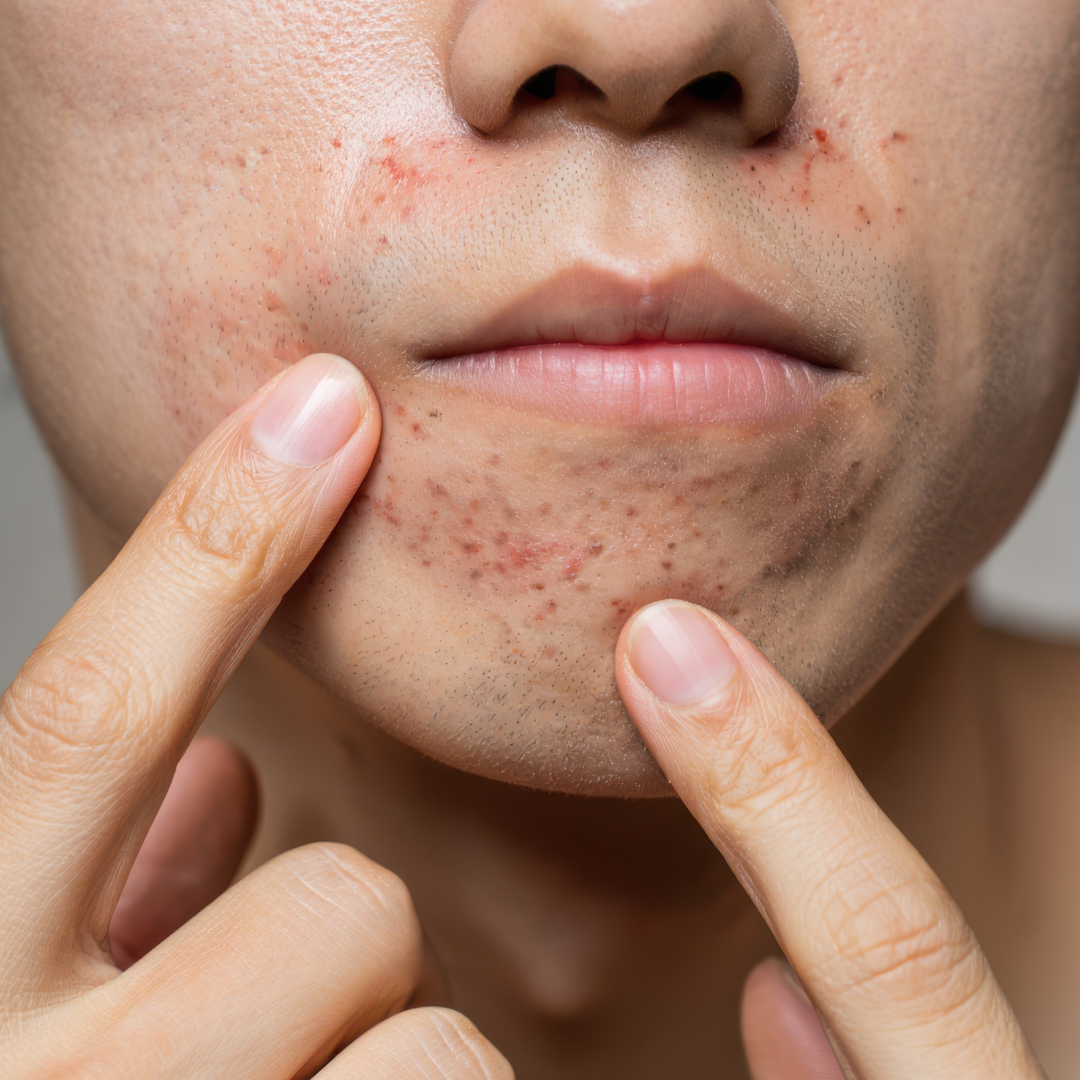
Myth 3: “Oily skin doesn’t need moisturiser or I can’t use oil-based products as I have acne-prone skin.”
Oily or acne-prone clients often avoid moisturiser and/or oil-based skincare products, thinking it’ll make things worse or make the skin more oily. In reality, oil and oil blend exceptionally well together, more so than oil and water.
Stripping your skin of moisture can lead to more oil (sebum) production as your skin tries to compensate. The key is to use the right products for your skin condition. Some of the most advanced and effective skincare products for acne-prone/oily skin are, in fact, oil-based.

Myth 4: “Natural is always better.”
There’s a growing belief that “chemical” equals bad, and “natural” means safe — but it’s not that simple. Poison ivy is natural, and still harmful; you really wouldn’t want to put it on your skin!
Lab-mixed ingredients are stable and effective, and are specifically designed and formulated for use on the skin. The focus should be on evidence-based skincare, not just buzzwords on a label. This is an excellent article, ‘Is Natural really better than Synthetic for skin?’ written by Dr Ernst Eiselen and Dr Des Fernandes.
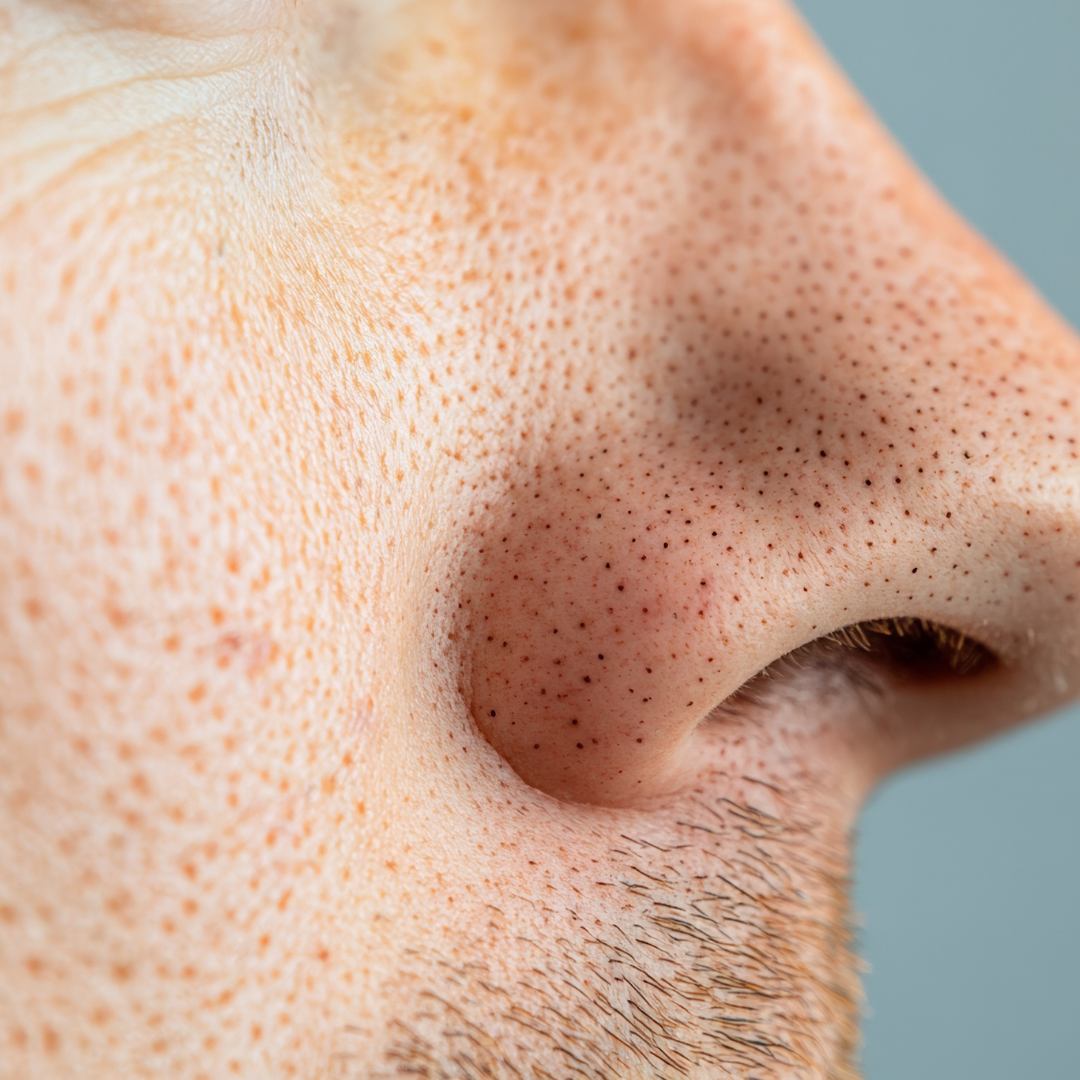
Myth 5: “Pores open and close”
Skin pores don’t actually open and close like doors, despite what many people believe. Pores are tiny openings in the skin that allow oil and sweat to reach the surface. They don’t have muscles, nor are they temperature-controlled, so they physically can’t open or shut. However, certain conditions can make pores appear larger or smaller.
For example, heat (such as steam used during a facial) can help soften the debris and oil within pores, making it easier to cleanse them. This gives the impression that pores have “opened,” but really, it’s just that the contents are more easily removed. On the other hand, cold temperatures can reduce inflammation and temporarily tighten the skin, which can make pores look smaller, but it doesn’t actually “close” them.
Skincare shouldn’t be confusing. As a skin specialist, my goal is to help you cut through the noise and focus on what actually works for your unique skin. If you’ve been holding on to any of these myths, don’t worry — you’re not alone, and there’s always time to shift your skincare mindset.
Do you have a question or skin and skincare myth you’d like debunked? Send me an email bev@newtbb-co-uk.lhr.stackstaging.com or book a free in-clinic consultation — I’d love to help! ❤️