

Why are fatty acids so crucial to skin health?
Firstly, it must be noted that the body does not produce fatty acids. We can only increase our fatty acid intake by supplementation and a diet rich in omegas. However, farming in today’s modern world often may not provide us with the most beneficial source of vitamins, minerals and nutrients as it once did when we take into account soil degradation, water pollution and antibiotic resistance, especially considering that food is then stored in warehouses for many weeks or months before even hitting the supermarket shelves so a good quality supplement alongside our diets may increase our levels of fatty acid far, far quicker.

Fatty acids play a crucial role in maintaining the health and function of the skin cells. They help to maintain the skin’s natural moisture levels by forming a protective barrier that prevents water loss through the skin. We have always heard or read that drinking plenty of water keeps the skin hydrated. It’s not quite as simple as that. We need water to survive, remove toxins and regulate hormones (this list is not exhaustive). Still, if we don’t have a sufficient healthy fatty acid membrane around the skin cells to keep moisture locked in, it won’t benefit the skin’s moisture levels as much as we may think.
Omegas 3 & 6, calcium, zinc and iron are essential for menopausal skin, they have a significant contributing role in skin protection, reducing cellular inflammation, and increasing the barrier defence of our skin while also helping to keep the skin cells flat and compact as possible. Cellular inflammation can cause the skin to become unresponsive to treatment and excel the ageing process. Omegas 3 & 6 are a fundamental ‘must-have’ for barrier-impaired skin conditions such as eczema, dermatitis, psoriasis, rosacea, etc.
How do fatty acids contribute to skin health?
- Moisture retention – Fatty acids form a protective barrier that prevents water loss through the skin. They help to seal in moisture and keep the skin hydrated while increasing suppleness and smoothness.
- Lipid barrier function – Fatty acids help to reinforce the lipid barrier and enhance its protective function protecting us from pollutants, irritants, and pathogens.
- Anti-inflammatory properties – fatty acids calm and soothe inflamed skin conditions such as acne, psoriasis and eczema whilst reducing redness, itching and irritation.
- Skin repair and regeneration – Fatty acids are involved in the skin cell’s repair and regeneration, contributing to the synthesis of ceramides which play a vital role in the formation of the skin barrier and skin cell turnover. This provides for the growth of new healthy skin cells.
- Skin Elasticity and anti-ageing effects – Fatty acids help to maintain the integrity of collagen and elastin fibres in the skin, responsible for firming and tightening, minimising the appearance of fine lines, wrinkles and sagging skin.
Which is the best fatty acid for skin health?
A combination of fatty acids are the best for skin health as each different fatty acid has unique benefits and functions. Below are a few examples of the most common fatty acids:
- Omega 3 – including EPA and DHA are commonly found in fatty fish such as mackerel, salmon and sardines. Omega 3 contains anti-inflammatory properties, which help alleviate skin inflammation/redness and support skin barrier function and moisture levels. Omega 3 is highly beneficial for acne skin due to its anti-inflammatory properties while balancing sebum production and increasing hydration.
- Omega 6 – Linoleic acid is an omega 6 fatty acid found in plant-based oils such as sunflower, safflower, and evening primrose. Linoleic acid can benefit oily acne-prone skin by reducing sebum production and preventing clogged pores. However, in the Western diet, the ratio between omega 3 and 6 is often unbalanced and leans towards a higher omega 6 level. This unbalanced ratio has been known to cause inflammation. So, in my professional opinion, for acne skin, the most essential fatty acid to help alleviate and regulate symptoms is omega 3.
- Omegas 9 – Oleic acid is an omega 9 fatty acid found in olive oil and avocado oil. It provides excellent moisturising properties and helps to maintain the skin’s natural moisturising barrier.
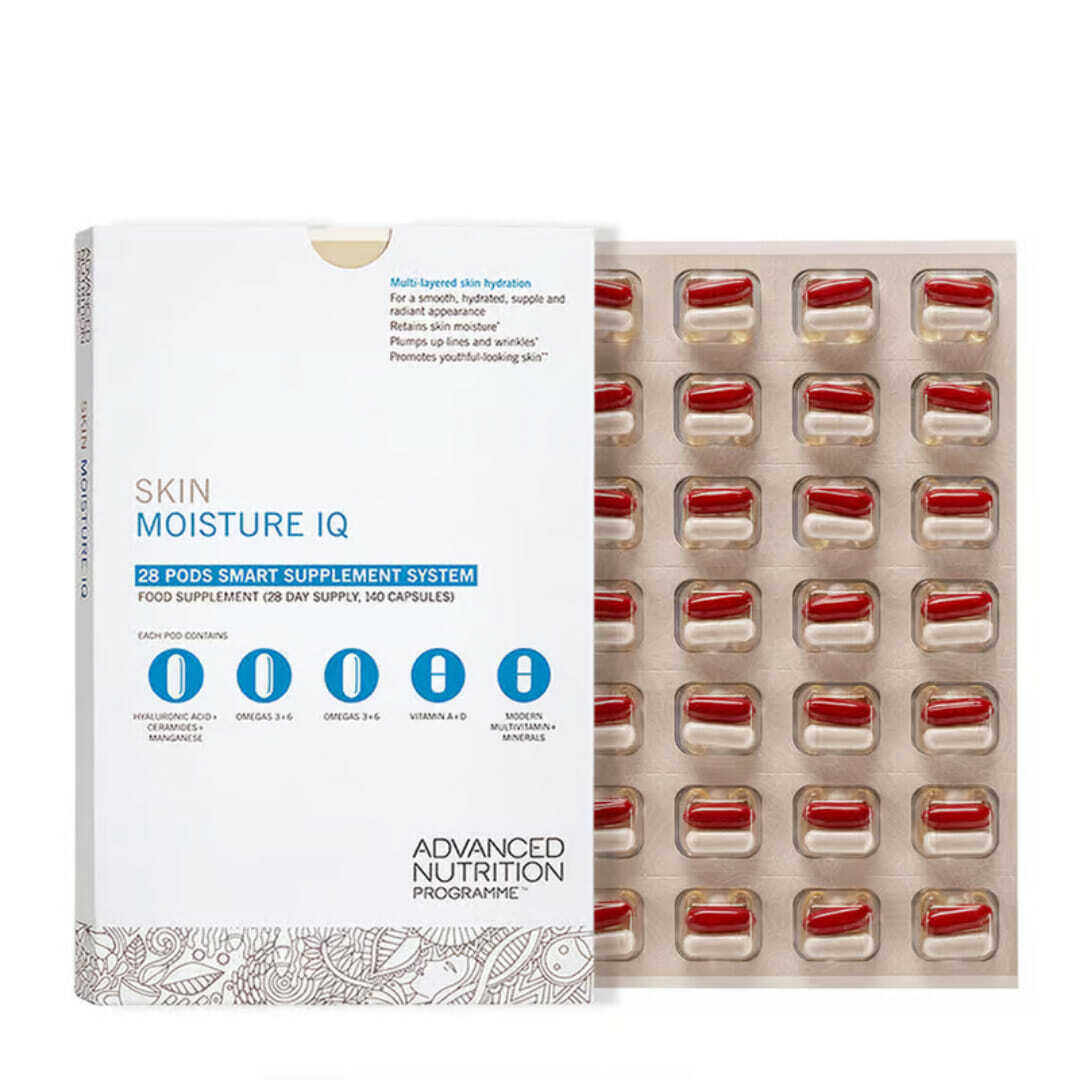
I have taken fatty acid food supplements daily for over ten years now, and I certainly notice a difference in my skin when I forget to take them (yes, even I can forget to take them!). My ‘go-to’ supplement that I take daily is the Skin Moisture IQ from the Advanced Nutrition Programme. It contains everything I need for my skin health in one easy-tear daily pod.
When working with acute skin conditions such as grade 3 or 4 acne, or severe inflammatory skin conditions, I always recommend Advanced Nutrition Programme Omegas 3 Fish oil alongside necessary skincare and treatments.
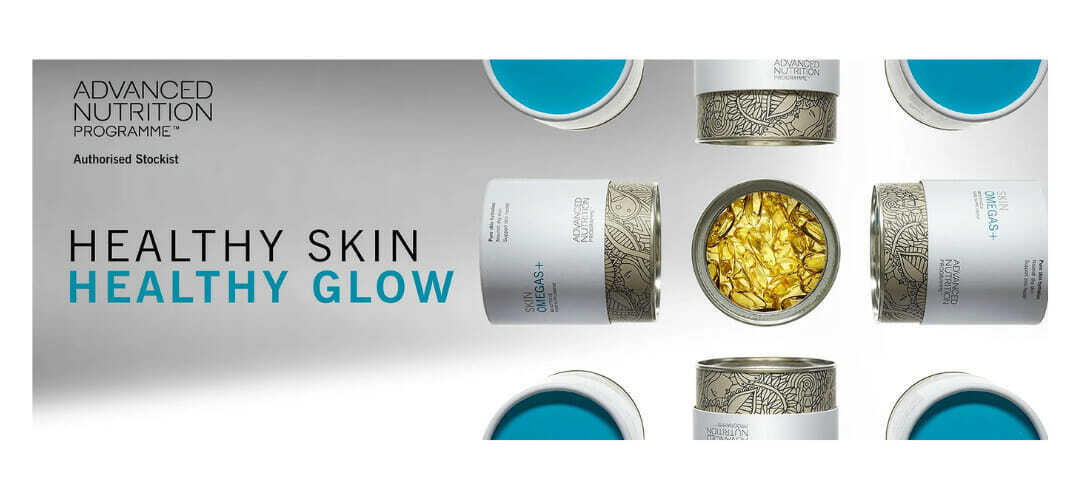
For skin health or for menopausal skin I would recommend the Advanced Nutrition Programme Skin Omegas. or the Skin Moisture IQ.
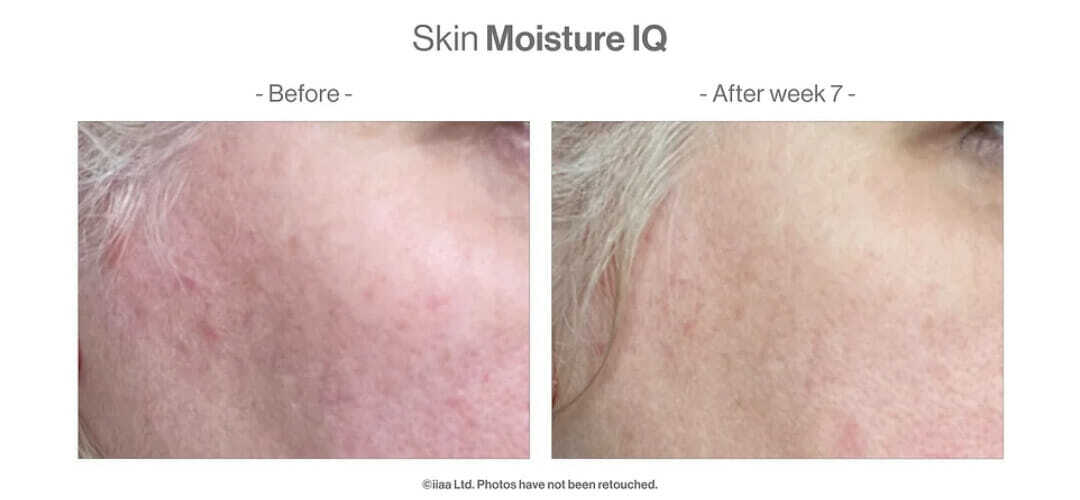
The science behind the Advanced Nutrition Supplements:
They conduct their own pilot studies to ensure the highest quality products.
Doctors, Nutritionists and Skin Health Experts research what goes into every single supplement – there are no preservatives.
Every capsule is triple-tested for maximum potency and efficacy.
They care about the planet just as much as they care about your skin. These are just some of the ways they are working towards a better future:
Full traceability of all of their ingredients.
Packaging is 100% recyclable.
All fish oils are sustainably sourced.
Uses 100% renewable energy.
Intelligent ingredients
OMEGA-3
The Advanced Nutrition fish oils are certified by Friends of the Sea, using methods that conserve marine habitats. These essential nutrients are the key to glowing, hydrated skin.
OMEGA-6
Evening Primrose Oil which is a great source of this critical essential fat. Omega fatty acids are the building blocks of your skin’s surface.
If you would like some extra advice on supplementation, please do not hesitate to contact me at bev@newtbb-co-uk.lhr.stackstaging.com