

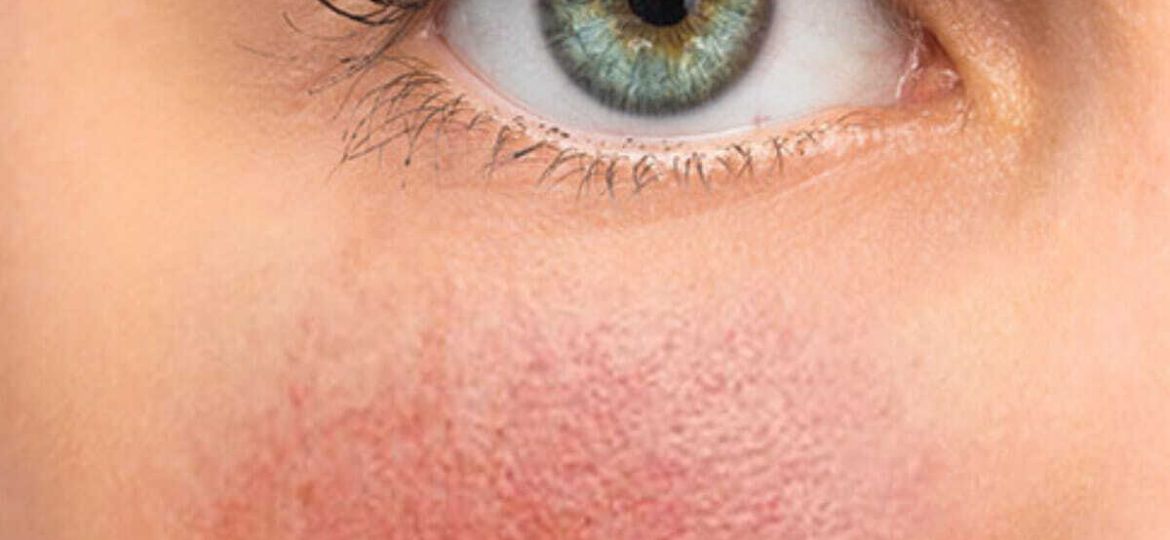
Are you confused about the different types of rosacea? Let me help….
Even though rosacea is a common skin condition, it can be misunderstood and sometimes misdiagnosed because there are different types and numerous symptoms that resemble other skin conditions and concerns. Along with the physical symptoms that rosacea causes, such as blushing, rashes, thickened skin and acne-like bumps, it can also affect people’s self-confidence and self-esteem.
What is Rosacea? Rosacea is a skin condition that mainly affects the face – in particular, the nose, chin and cheek area. It may initially appear as blushing and visible blood vessels, but there are other symptoms to look out for.
While there is no cure for rosacea, there are ways to treat and alleviate symptoms which I will share with you in this blog. I will also discuss the different things that can be a trigger for rosacea flare-ups.
The four types of rosacea
There are four types of rosacea with different symptoms and characteristics, although some people may experience an overlap of certain symptoms. Rosacea sits on a spectrum of stages:
– Pre-rosacea
– Mild rosacea
– Moderate rosacea
– Severe rosacea
Knowing which type you have will help you understand what you can do to minimise and treat any symptoms you may experience.
Type 1: Erythematotelangiectatic Rosacea (ETR)
Erythematotelangiectatic, also known as vascular rosacea, appears as flushing and redness and may be accompanied by stinging and burning. It is the type of rosacea that people are most familiar with.
Characteristics include:
– It usually appears on the nose, cheeks and forehead but can develop on the scalp, neck and chin if not treated.
– It may be noticeable initially as redness or dilated blood vessels.
– If left untreated, it can progress and lead to flare-ups that may spread and last for long periods or may not clear up at all.
– Although not as common, people may also notice the affected areas feeling warm or hot, tingly, itchy and swollen.
– People who suffer most tend to be women and people with fair skin, and it often affects middle-aged to older adults.
Type 2: Inflammatory Rosacea (Papulopustular)
Inflammatory Rosacea initially can be mistaken for acne because it usually starts as red or pus-filled bumps that are close together, causing texture (also known as plaque). Other symptoms to look out for are:
– Skin feeling hot to touch or itchy.
– Lighter skin shows a rosy-red flush whereas darker skin may have more of a yellow or dusty brown flush.
Type 3: Phymatous Rosacea
Phymatous Rosacea, also known as Rhinophyma, is identified by marked skin thickenings and irregular nodules around the nose. These thickenings may also spread to more parts of the face. You can also recognise this type of Rosacea by:
– Even though it is most common on the nose, it can affect the chin, eyes, forehead and ears.
– It affects men more than women due to the androgens. Androgens are hormones that contribute to growth and reproduction
– It is a progressive disfiguring of the nose and chin and is thought to represent the end stage of severe rosacea.
Type 4: Ocular Rosacea
As the name describes, Ocular Rosacea is rosacea that affects the eyes. It is an inflammation that causes burning, swelling and redness to the eyelids and area around the eyes. You may also notice it:
– Can cause eyes to appear bloodshot and sting.
– Can make your vision blurry, eyes sensitive to sunlight and water with a blast of cold air.
– Can be caused by blocked oil glands around the eyelids, but this isn’t the case for everyone.
Who does rosacea typically impact?
Although anyone can suffer from rosacea regardless of age, sex and race, some people are more likely to get it. People who are more likely to experience rosacea are people:
– Aged between 30-50 years old.
– Who has a family member who had/has rosacea.
– With fair skin or from Scandinavian or Celtic heritage.
– Who has previously suffered from acne.
Women are more likely to get rosacea, although men are more likely to suffer from severe rosacea. And even though it is not as common, children can also suffer from rosacea.
Even though the cause of all types of rosacea is not fully understood, it’s thought it may be due to a mix of genetics, sensitivity to Demodex mites, and environmental triggers. Certain factors can trigger or flare-up rosacea, so it is always worthwhile considering how diet, UV, alcohol and stress play a part.
– Alcohol; will cause inflammation within the skin which will widen the blood vessels.
– Stress; will activate the sympathetic nervous system and cause inflammation within the skin.
– Diet; spicy foods will cause heat, try and reduce your intake of capsaicin, such as bell peppers, jalapeño peppers, cayenne peppers and other chilli peppers.
– Environmental Factors; such as UV light, diverse microorganisms, air pollution, heat, tobacco smoking, nutrition, and psychological stress are all proven to trigger or worsen rosacea.
– Demodex mites; it is proven that rosacea sufferers have over ten times more Demodex mites than people that don’t suffer from rosacea. Once the Demodex mite dies it releases bacteria into the skin which causes an immune reaction and inflammation within the skin.
How can you treat rosacea?
There is no cure for rosacea, but some treatments can help to minimise, relieve and control your symptoms. Different treatments and professional skincare products have proven to reduce and control the effects of rosacea. The treatment that works best for you will depend on your symptoms, age and overall health. Some very effective treatments that I use in-salon are, but are not limited to:
DMK Enzyme Therapy
Dermalux LED Light Therapy
Chemical Peels
Mesotherapy
Every skin is different, and some people will find certain treatments and products that suit them better than others. Any treatment you consider should be a recommendation from a skin specialist to ensure it does not worsen or aggravate your rosacea.
Further information about treating rosacea can be found on the NHS website.
Can The Beauty Bistro help me with my rosacea?
ABSOLUTELY! This is one skin condition that I am very passionate about, having suffered from it myself for over 35 years. Starting with a thorough consultation, I will discuss your symptoms and concerns before mapping out a treatment plan for you and ensure you are using the correct skincare products for your condition. Book in for a free consultation, and I can discuss the next steps towards helping you control your rosacea, successfully.